There is a particular sort of charm in video games that shrink you down to the size of a thimble and turn ordinary household clutter into towering obstacles.
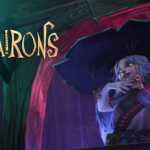
Developed by 3Cat in collaboration with Barcelona-based studio JanduSoft, which also handled publishing duties, Manairons is a 3D and 2.5D action-platformer steeped in the rich, rarely explored folklore of the Catalan Pyrenees.
Rather than chasing sprawling, hundred-hour open worlds or bloated skill trees, this compact adventure promises an old-school, fifth- and sixth-generation platforming experience driven by musical puzzle-solving and fairy-tale whimsy.
Stepping into the tiny shoes of a mischievous sprite armed with a magical flute, players are tasked with rescuing a mountain village from soulless industrialisation.
It is an undeniably endearing premise on paper, yet beneath its handcrafted storybook exterior lies a game that occasionally stumbles over its own mechanics.
Does Manairons strike a harmonious chord, or do its technical rough edges leave the melody feeling slightly out of tune?
story
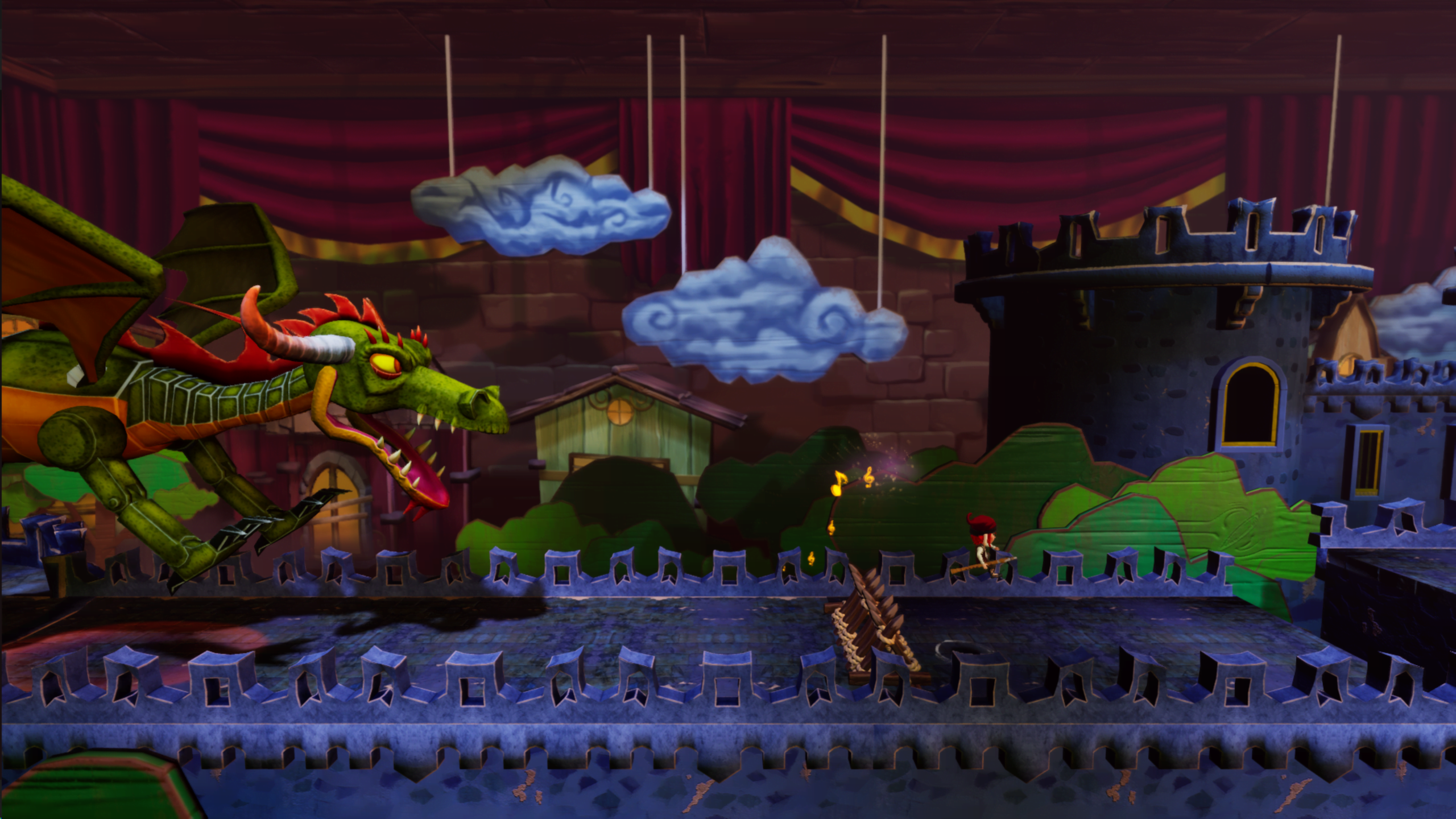
The narrative of Manairons transports players to Vilamont, a quiet, traditional mountain village whose way of life is upended when an ambitious and unscrupulous landowner named Llorenç arrives.
Driven by greed and a cold obsession with rapid progress, Llorenç unearths the canut, a legendary magical container capable of unleashing dozens of tiny, hyperactive creatures known as manairons. According to Pyrenean myth, these sprites possess an insatiable compulsion to work, demanding tasks immediately lest they tear everything apart.
Exploiting their tireless nature, Llorenç seizes control of the village’s local businesses and forces the enslaved manairons to automate every artisanal trade, stripping Vilamont of its soul and turning peaceful workshops into noisy, mechanised factories.
Into this chaotic upheaval steps Nai, a uniquely self-aware manairó awakened from his slumber by a mysterious, sympathetic witch who communicates with him through dreams and magical essence.
In exchange for his freedom, Nai agrees to venture through the corrupted village, wake his entranced brethren from Llorenç’s spell, and liberate the local tradespeople from the contraptions terrorising them.
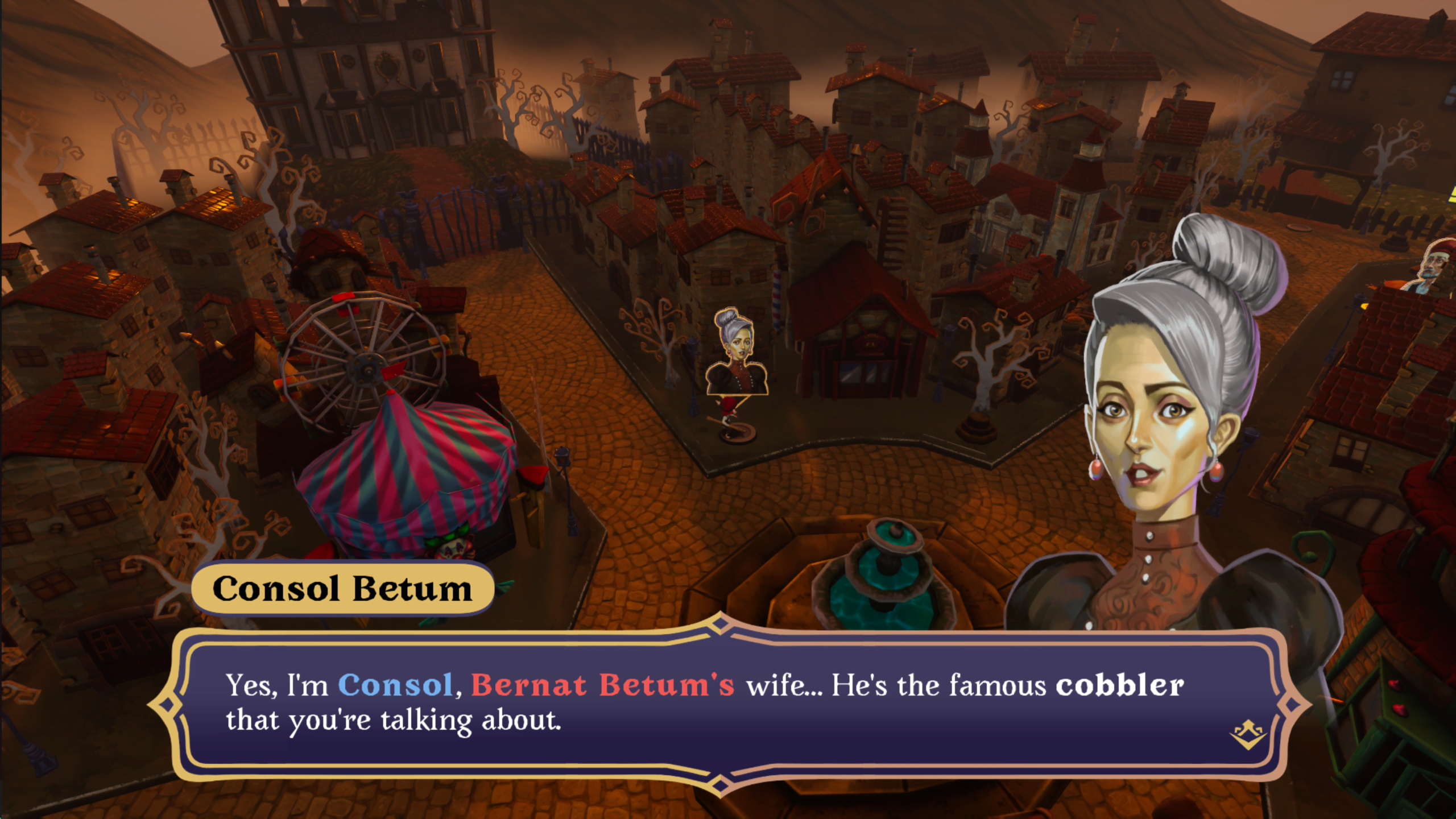
Along the way, you meet a colourful cast of townsfolk, including a distressed farmer whose hens are being intimidated by a giant mechanical rooster, a baker whose handcrafted pastries are being ruined by automated conveyor belts, a cobbler, a dressmaker, and a toymaker besieged by a runaway train.
I genuinely appreciated how refreshing it felt to experience a story rooted in authentic Catalan folklore rather than the usual recycled medieval fantasy tropes. The thematic contrast between traditional craftsmanship and destructive over-industrialisation gives the fairy tale a surprisingly warm, earnest heart.
That said, the storytelling itself remains fairly light and predictable. While the shopkeepers provide amusing dialogue and optional side tasks that flesh out their personalities, neither Nai nor Llorenç undergoes much meaningful character development.
The narrative serves primarily as a charming framework to justify moving from one workshop to the next, and while it kept me smiling throughout, players seeking a deeply layered plot will find it somewhat straightforward.
gaMEPLAY
At its core, Manairons blends traditional 3D platforming, side-scrolling 2.5D traversal, light melee combat, and environmental puzzle-solving.
Structurally, the adventure unfolds stage by stage, with each level themed around one of Vilamont’s hijacked businesses. Your objective is to navigate from the entrance of a workshop to its exit, overcome a themed mechanical boss, and restore the shop to its rightful owner.
Because Nai is scarcely taller than a spool of thread, everyday items become formidable hazards. You will spend your time leaping over drawing pins, dodging dripping oil, sidestepping mousetraps, and pushing tin cans or batteries into place to power makeshift bridges.
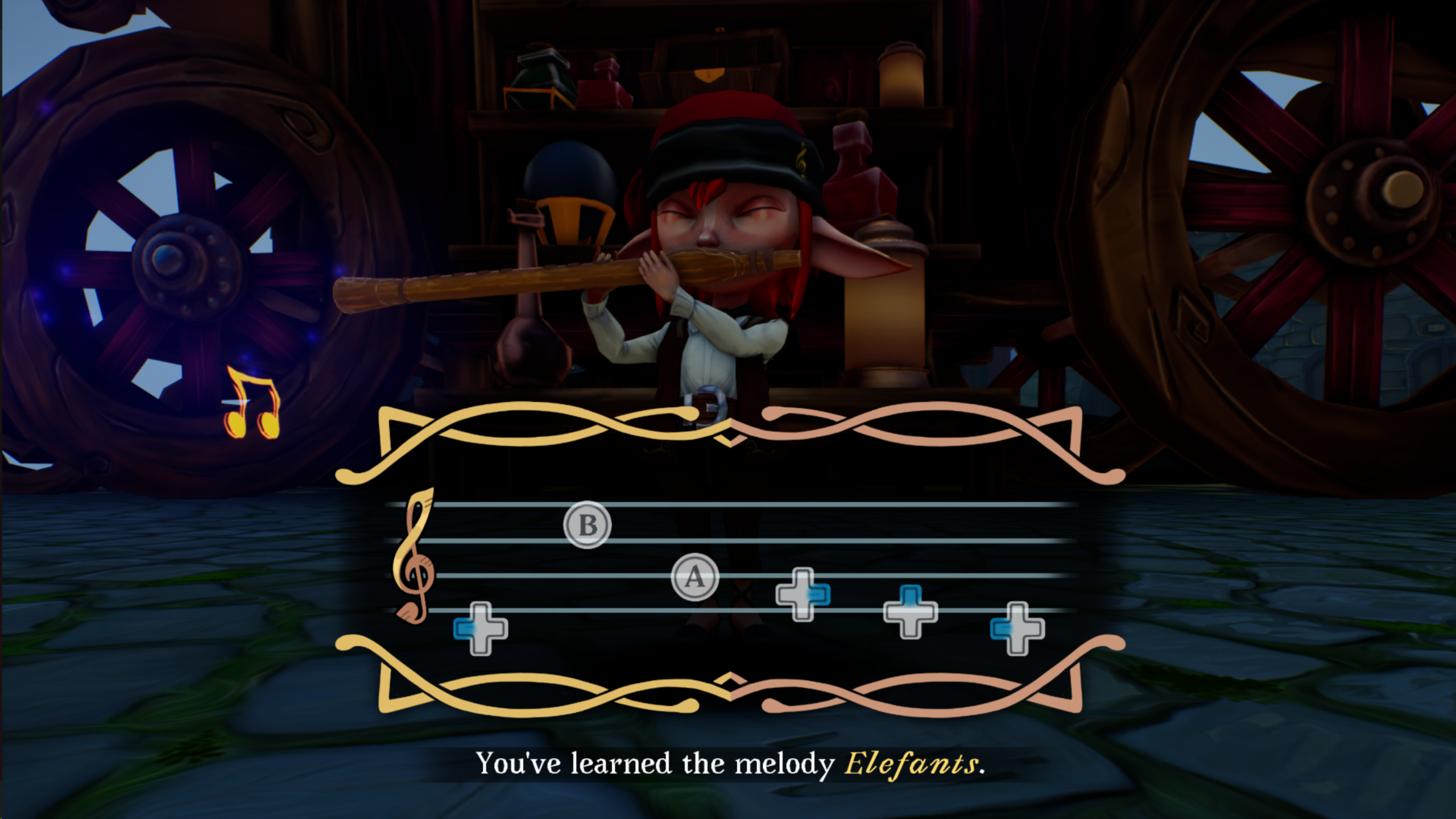
The defining mechanic of the experience is Nai’s magical flute. As you rescue shopkeepers and defeat bosses, you learn new melodies that grant context-sensitive abilities. Playing specific tunes allows you to glide across wide gaps, propel yourself vertically, manipulate environmental switches, and snap fellow manairons out of their hypnotic work trance.
I thoroughly enjoyed how these musical abilities tied exploration and puzzle-solving together. Discovering a new song and returning to earlier corners of a workshop to snag hidden collectibles felt wonderfully reminiscent of classic nineties platformers.
Unfortunately, the moment-to-moment execution is where Manairons begins to show its cracks. While platforming across the 2.5D sections feels reasonably responsive, the transition into full 3D spaces introduces noticeable depth-perception headaches, largely due to a rigid, fixed camera that refuses to cooperate during tight jumps.
Combat is similarly underwhelming. Pointy-eared, corrupted sprites frequently bar your path, and dealing with them relies on a rudimentary three-hit melee combo, a block, or a weak ranged projectile.
Hitboxes can feel erratic, and trying to line up attacks against tiny foes while wrestling with the camera quickly becomes tedious rather than thrilling.
Furthermore, I encountered a couple of frustrating technical hiccups during my playthrough, including a boss trigger that failed to register properly, forcing me to restart the encounter.
Healing is handled generously via consumable mushrooms and cosy beanbag save points, which keeps the difficulty approachable, yet the repetitive combat and finicky controls hold the gameplay back from true greatness.
VISUALS
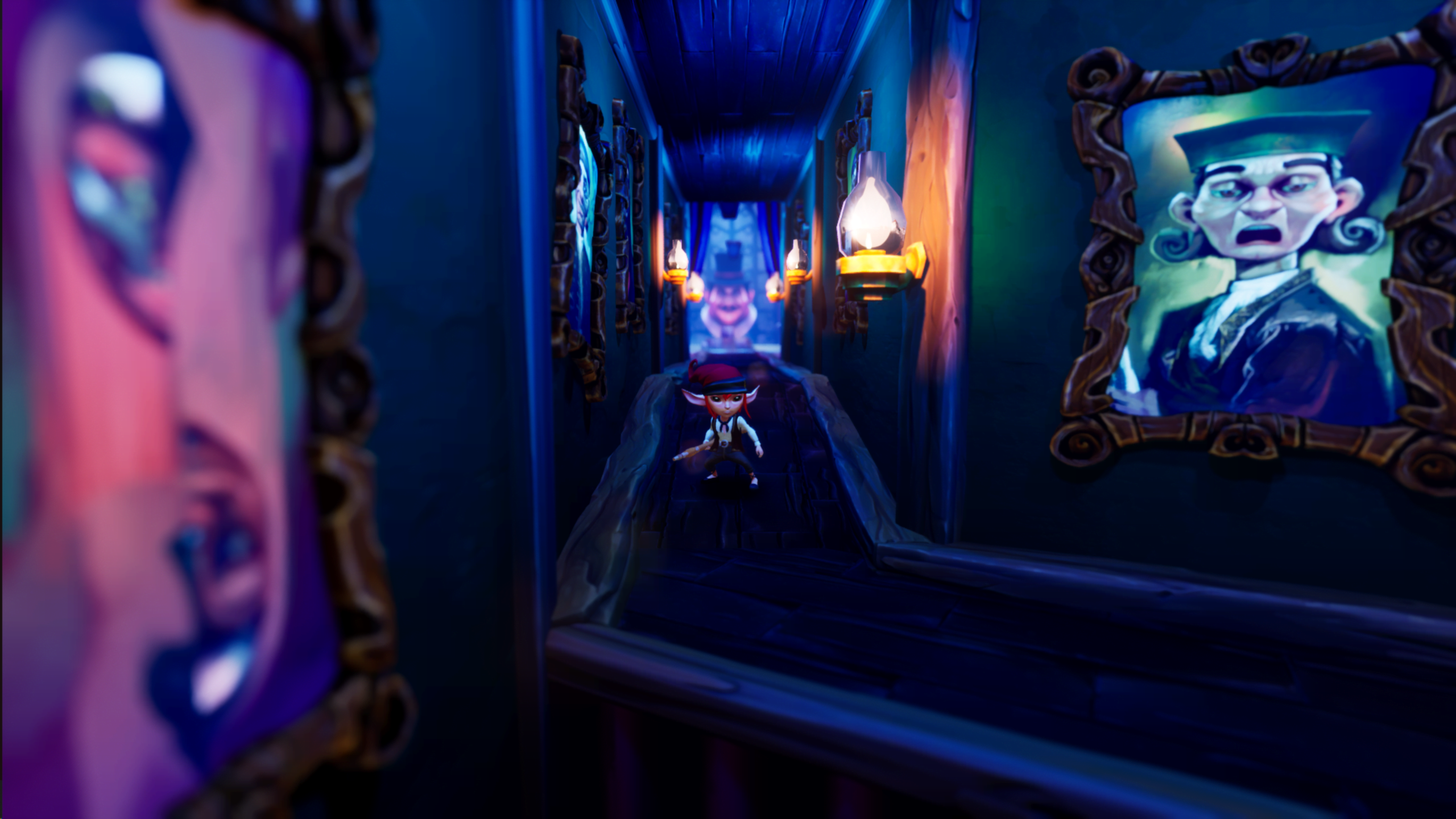
Where Manairons truly shines is in its distinctive artistic direction. From the moment you step into Vilamont, the game exudes a handcrafted, dark-whimsical aesthetic that evokes stop-motion animation and classic storybook illustrations.
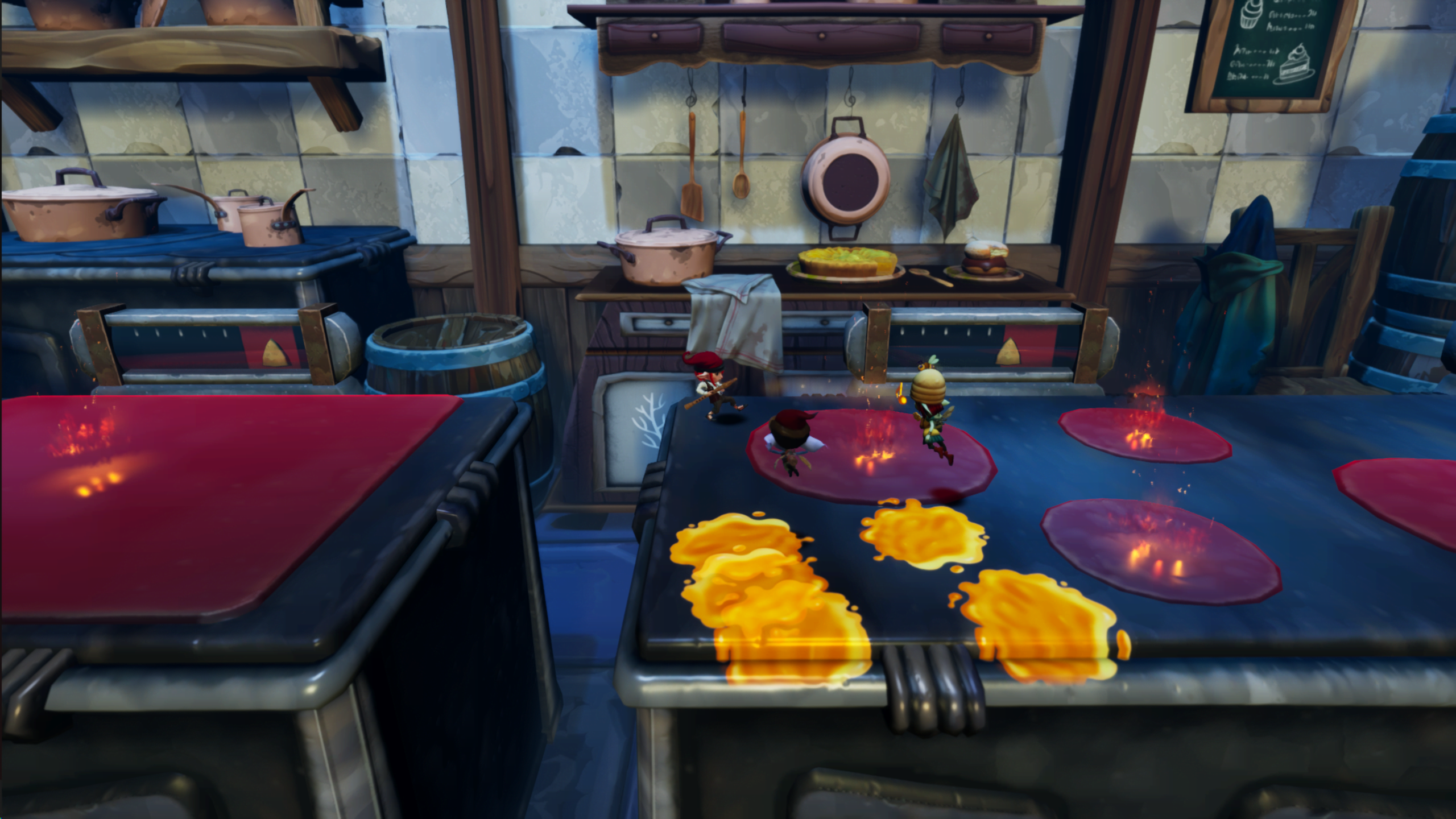
The developers have done a remarkable job conveying a convincing sense of miniature scale. Towering wooden furniture, colossal sacks of flour, looming sewing machines, and scorching bakery ovens dominate the background, turning mundane village interiors into grand, imaginative playgrounds.
Each stage boasts its own distinct colour palette and visual identity tailored to its trade. The warm, fiery glow of the bakery contrasts sharply with the cluttered, metallic chaos of the toymaker’s workshop and the rustic, shadowy corners of the farmhouse.
Lighting plays a particularly strong role in setting the mood, with shafts of dusty sunlight cutting through dim rooms and hazard areas clearly telegraphed by vibrant sparks or glowing embers.
Character designs are equally memorable, blending cute, fairy-tale proportions with slightly eerie, Tim Burton-esque exaggerations that give the corrupted villagers and mechanical monstrosities plenty of personality.
On a technical level, however, the presentation is a slight mixed bag. While the environmental art is consistently charming and readable, some character animations look noticeably stiff, particularly during transitions between running, jumping, and playing the flute.
On modern hardware, frame rates remain smooth and reliable, though minor visual clipping occasionally occurs when pushing objects into tight corners.
Even with these minor blemishes, the visual creativity on display does a tremendous amount of heavy lifting to keep you invested.
audio
Audio design is easily one of Manairons’ strongest pillars, complementing its visual charm with a wonderfully tactile and playful soundscape. Given that music sits at the very centre of the gameplay, it is a relief that the flute itself sounds genuinely lovely.
Each melody you unlock carries a soft, enchanting woodwind tone that fits the Pyrenean fairy-tale setting like a glove, never growing grating even when you have to replay a tune multiple times to solve a multi-step puzzle.
The background soundtrack weaves together gentle folk instrumentation, whimsical acoustic strings, and mischievous percussion that subtly shifts in intensity as you move from peaceful exploration into danger.
One particularly delightful detail is how the game integrates musical cues into everyday actions. Bouncing off an enemy’s head triggers a crisp, playful flute note, turning routine traversal into a miniature symphony.
Environmental sound effects are equally well crafted. Nai’s tiny footsteps produce distinct, satisfying taps depending on whether he is scurrying across floorboards, clanking over tin cans, or squelching near spilled ingredients, while creaking doors and whirring machinery give the industrialised shops a convincing sense of weight.
The game also deserves praise for offering full voice acting in Catalan alongside English and Spanish options, allowing players to experience the folklore in its native tongue if they wish.
While the English voice performances are perfectly serviceable and convey the eccentricities of the villagers well enough, a few lines do come across as slightly stilted in their delivery.
Fortunately, there are no glaring audio bugs or mixing issues to speak of, and the charming ability to replay unlocked music tracks at beanbag checkpoints is a thoughtful touch that shows genuine care from the sound team.
final thoughts
Manairons is the quintessential example of a passion project whose heart and imagination outpace its mechanical polish. 3Cat and JanduSoft have crafted an endearing, culturally rich adventure that celebrates Catalan folklore while delivering a focused, bite-sized tribute to classic platformers.
Exploring oversized workshops as a thimble-sized hero is consistently delightful, backed by gorgeous storybook visuals, clever miniature set pieces, and a genuinely enchanting musical score.
At the same time, it is impossible to overlook the rough edges that keep the experience from reaching its full potential. The awkward fixed camera undermines platforming precision in 3D spaces, the combat feels overly simplistic and repetitive, and occasional technical hiccups serve as reminders of the game’s modest indie budget.
Yet despite these frustrations, I found myself thoroughly charmed by Nai’s journey from start to finish.
If you are a fan of nostalgic, cosy platformers, appreciate folklore-inspired worlds, and can forgive some clunky combat in exchange for buckets of personality, Manairons is well worth a look, especially at its modest budget price point.
Manairons is a charming, folklore-infused platformer bursting with visual personality, clever miniature level design, and delightful musical puzzles. While an uncooperative camera, lacklustre combat, and minor technical bugs hold it back from true greatness, its heartfelt atmosphere and nostalgic spirit make for a thoroughly enjoyable adventure.
I’d like to extend a huge thank you to the developers and publishers for giving me the opportunity to experience and review Manairons. It’s been an absolute pleasure getting stuck into another great game!
And, of course, a massive thank you to all of you for taking the time to read my review. Your continued support means a great deal to me and everyone here at IndieCritical. We hope to see you again for the next one!
A code for Manairons was provided for review purposes.
Positives
✅ Unique Folkloric Setting – Draws on authentic Catalan and Pyrenean mythology, offering a fresh alternative to standard fantasy tropes.
✅ Distinctive Visual Direction – Features a charming, dark-whimsical storybook aesthetic with creative miniature scale across every workshop.
✅ Enchanting Audio & Music – Blends folk-inspired background music, pleasant flute melodies, and reactive sound effects that turn traversal into a playful experience.
✅ Multiple Voice Acting Options – Includes full voice acting in Catalan alongside English and Spanish tracks.
✅ Clever Musical Puzzles – Uses flute melodies to unlock traversal abilities, manipulate objects, and reward backtracking for hidden collectibles.
✅ Approachable & Nostalgic Pacing – Captures the cozy spirit of classic fifth- and sixth-generation platformers with generous healing and save points.
Negatives
❌ Uncooperative Fixed Camera – Creates depth-perception issues and makes precision jumping frustrating in full 3D sections.
❌ Simplistic, Repetitive Combat – Relies on basic melee and ranged attacks with erratic hitboxes that feel tedious against small enemies.
❌ Technical Hiccups & Stiff Animations – Suffers from occasional bugs, such as unresponsive boss triggers, minor object clipping, and rigid character transitions.
❌ Light, Predictable Story – Features minimal character development for the protagonist and main villain, serving mostly as a simple framework for stage progression.

36yr old mom of 3! I am what you call a SUPERMOM, as I manage to maintain a 4.0GPA in my online schooling towards my associate’s degree in science for medical billing and coding, while absolutely crushing it at this mom thing! I am also a Twitch streamer and content creator, and I also run my own Discord community for fellow gamers and streamers alike! I love cats, baking, art and singingand of course, gaming!
Written by

Kitty
@IndieKitty