Some games explain everything within the first few minutes, making sure you understand the controls, the mechanics and exactly where you’re supposed to go. Then there’s Ayasa: Shadows of Silence, which seems perfectly happy to leave you wandering around wondering what on earth is happening. Developed around exploration, environmental puzzles and silent storytelling, this side-scrolling adventure makes a memorable first impression, although not always for the reasons you might expect.
My introduction to the game felt more like an extended prologue than a traditional opening. I was presented with beautiful environments, mysterious surroundings and cinematic sequences that immediately caught my attention, but very little information about the world I had entered. I wasn’t entirely sure what was going on, who certain characters were or what I was supposed to make of everything unfolding on screen.
Thankfully, the controls are incredibly straightforward. Movement and basic interactions are easy to pick up, allowing you to concentrate on exploring rather than memorising complicated button combinations. Unfortunately, that initial sense of comfort didn’t last particularly long. Before I’d properly settled into the experience, I found myself being chased by a monster and promptly killed.
Welcome to Ayasa: Shadows of Silence. Apparently, the local wildlife isn’t particularly welcoming.
Despite that rather abrupt introduction, I wanted to continue. There was something about the environments, the atmosphere and the unanswered questions that kept me interested, even when certain gameplay decisions began testing my patience.
finding meaning without words
One of the more interesting aspects of Ayasa: Shadows of Silence is how it approaches storytelling. Rather than relying on conversations or lengthy explanations, it allows the characters, their behaviour and the surrounding world to communicate much of what is happening.
During my time playing, Ayasa hadn’t spoken a single word. There was some brief written information, but certainly nothing resembling the amount of exposition you might expect from a narrative-focused adventure. Initially, I found this approach rather confusing. I understood that I was travelling through a mysterious world, but I struggled to establish what connected everything or why certain events mattered.
As I progressed, however, I began noticing smaller details that helped give the story some emotional weight. The way Ayasa interacts with other characters suggests relationships and feelings that aren’t directly explained to the player. A simple movement or reaction can reveal considerably more than you might initially realise.
I gradually found myself paying closer attention to these moments, trying to understand what the game was communicating rather than expecting it to provide all the answers.
It’s an approach that requires patience, particularly during the opening, when almost everything feels unfamiliar. However, the further I explored, the more I appreciated the decision to let the characters express themselves through actions rather than dialogue.
I haven’t reached the conclusion of the story, so I can’t comment on how successfully its mysteries are resolved. What I can say is that the narrative has become increasingly interesting as I’ve spent more time with it. There’s clearly more happening beneath the surface, and discovering those details has become an important part of why I want to continue playing.
when trial and error becomes frustration
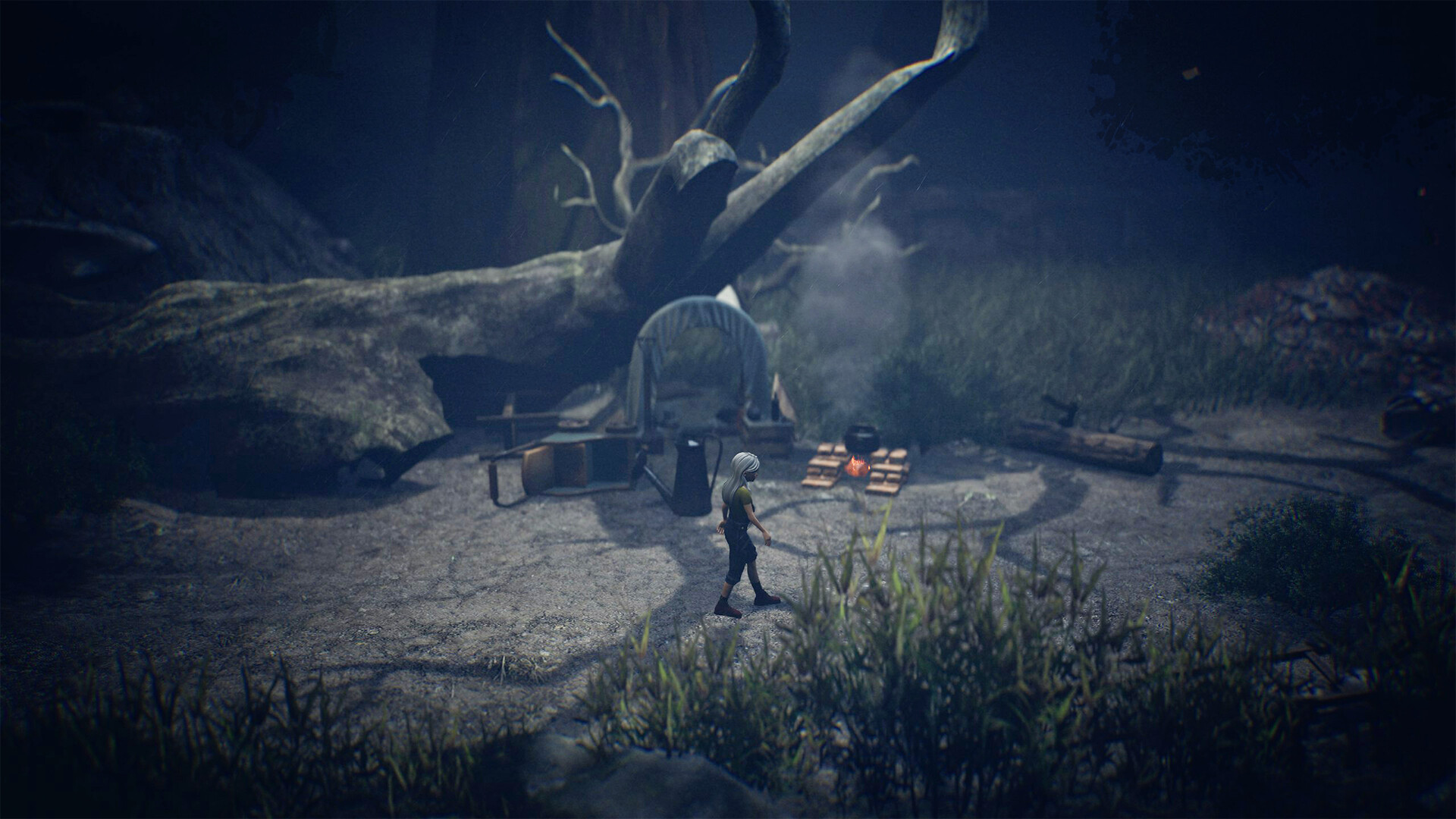
At its core, Ayasa: Shadows of Silence combines traditional side-scrolling movement with platforming, environmental puzzles and encounters with dangerous creatures. You spend much of your time navigating unusual locations, interacting with objects and trying to work out how to reach the next area without becoming something’s dinner.
The controls themselves are responsive and uncomplicated, which makes exploration enjoyable. However, enemy encounters introduce a considerably harsher side to the experience.
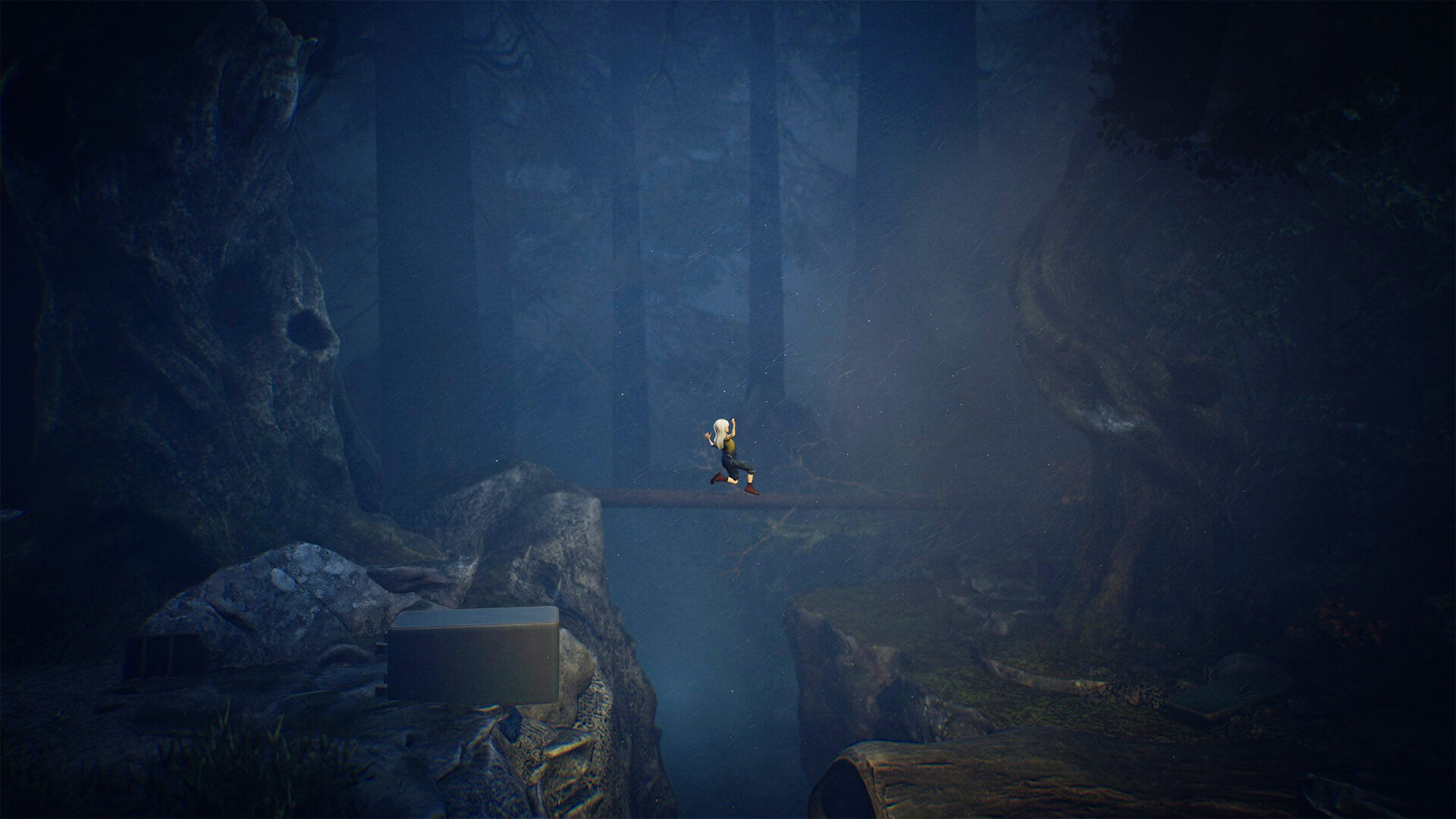
Monsters can kill Ayasa in a single hit, and some are capable of moving faster than you. This means escaping isn’t always as simple as holding a direction and hoping for the best. You need to understand the surroundings, recognise opportunities to avoid danger and sometimes perform specific actions at precisely the right moment.
That sounds reasonable on paper, and I have absolutely no problem with games being difficult. My issue is how little information you’re occasionally given before being expected to survive.
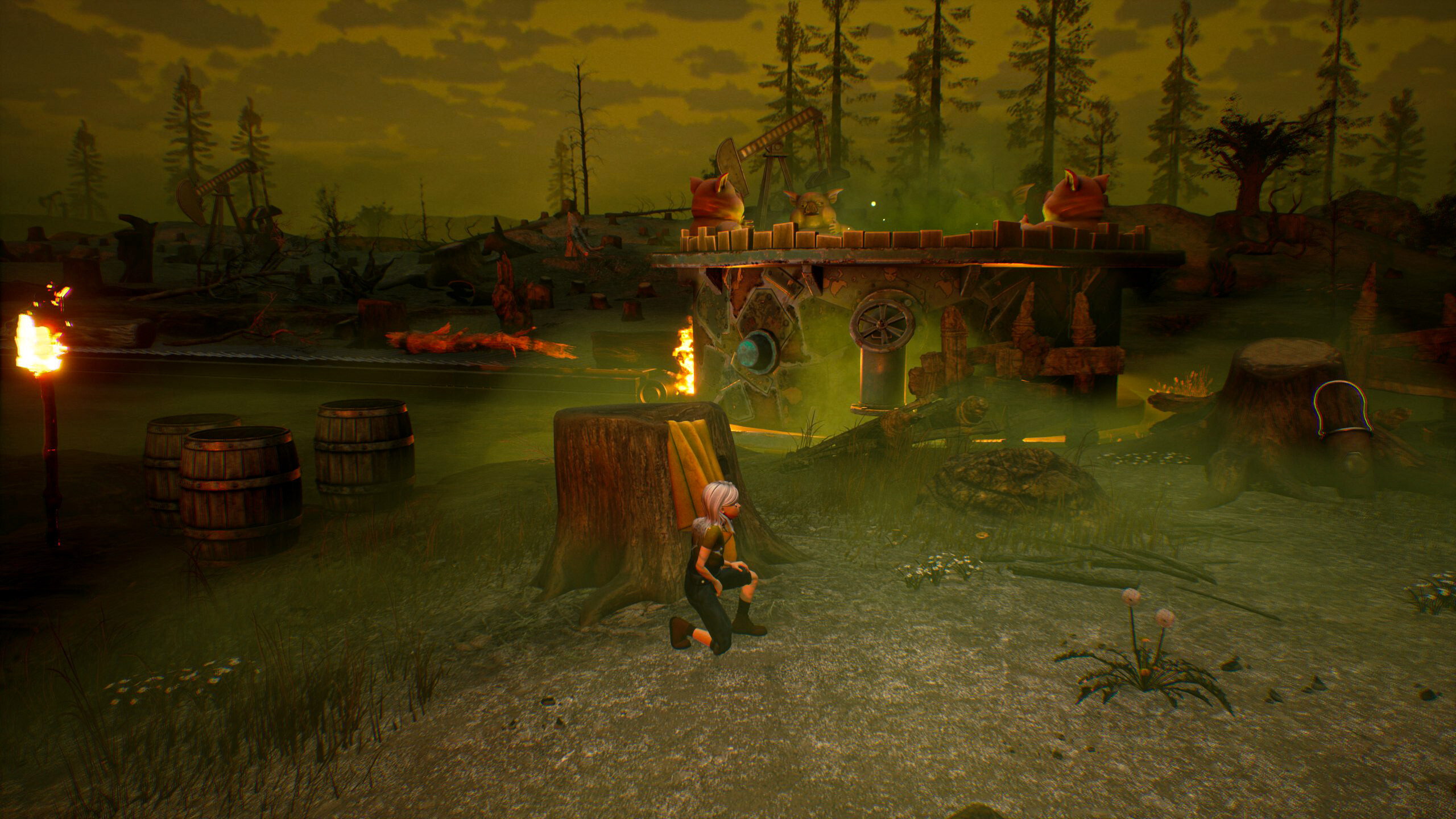
One encounter involving a boar-like creature resulted in several deaths while I tried to understand exactly how I was supposed to escape. Another sequence required me to discover the correct moment to jump, something that only became apparent after repeated failures.
There’s a difference between dying because you’ve made a mistake and dying because you haven’t yet discovered what the game wants from you. Unfortunately, Ayasa occasionally crosses that line.
After several attempts, I wasn’t necessarily feeling more skilled or particularly pleased with myself. I was becoming increasingly irritated because I still didn’t fully understand the rules of the encounter.
The one-hit deaths make these situations more punishing, especially when an enemy can catch you so quickly. Instead of responding instinctively to danger, I sometimes felt as though I was memorising the correct sequence of actions through repeated deaths.
Thankfully, progression introduces abilities that provide additional ways to navigate the environment and deal with threats. I won’t reveal their names or functions because discovering them is part of the experience, but they do make certain situations noticeably easier.
My criticism here concerns how these abilities are introduced. The first one I discovered was identified by name, yet I received very little useful information about what it actually did, how long it could be used or what limitations it had.
I appreciate games that trust players to experiment, but a basic explanation of an important mechanic wouldn’t have ruined the mystery.
A later ability made avoiding creatures considerably more manageable. While I appreciated finally having another option, I was mostly relieved that I could get through encounters that had previously caused so much frustration.
The automatic checkpoint system helps prevent these difficulties from becoming completely unbearable. A small symbol appears in the bottom-right corner when progress is saved, although I initially overlooked it entirely.
It’s easy to miss when you’re concentrating on surviving, and a slightly more noticeable indicator would have been welcome.
One detail I particularly appreciated was how certain enemies reset to their original positions after you respawn. Rather than immediately continuing their pursuit, they give you an opportunity to approach the situation again.
There was also an occasion when a seemingly insignificant rock obstructed my movement during a chase, resulting in another avoidable death. I couldn’t determine whether this was intentional environmental design or a collision issue, but it was frustrating either way.
When one mistake means starting again, even the smallest obstruction can become a rather substantial problem.
environmental puzzles: the real highlight
While I have reservations about the monster encounters, the environmental puzzles have been among my favourite parts of Ayasa: Shadows of Silence.
Rather than constantly highlighting interactive objects or explaining every solution, the game encourages you to study your surroundings and work things out independently. It’s a refreshing approach that rewards observation instead of simply following instructions.
I regularly found myself stopping to examine the environment, looking for clues that might indicate how different objects or structures could be used. Sometimes the solution wasn’t immediately obvious, but that made finally understanding it considerably more satisfying.
What makes these puzzles particularly enjoyable is that the information you need often exists naturally within the world. You aren’t necessarily waiting for a character to tell you what to do or searching for an enormous marker pointing towards the answer.
You’re encouraged to think.
Interestingly, this also highlights my biggest criticism of the gameplay. The lack of guidance works extremely well during puzzle-solving because you’re given the freedom to experiment without constantly being punished. During monster encounters, however, that same design philosophy can become infuriating when every unsuccessful attempt results in an instant death.
It’s a balancing issue rather than a fundamental problem with the game’s mechanics. I wouldn’t want the developers to start explaining every puzzle, because that would remove much of their appeal. I’d simply like enemy encounters and newly acquired abilities to communicate their rules more effectively.
A world worth exploring
If there’s one area where Ayasa: Shadows of Silence consistently impressed me, it’s the visual presentation.
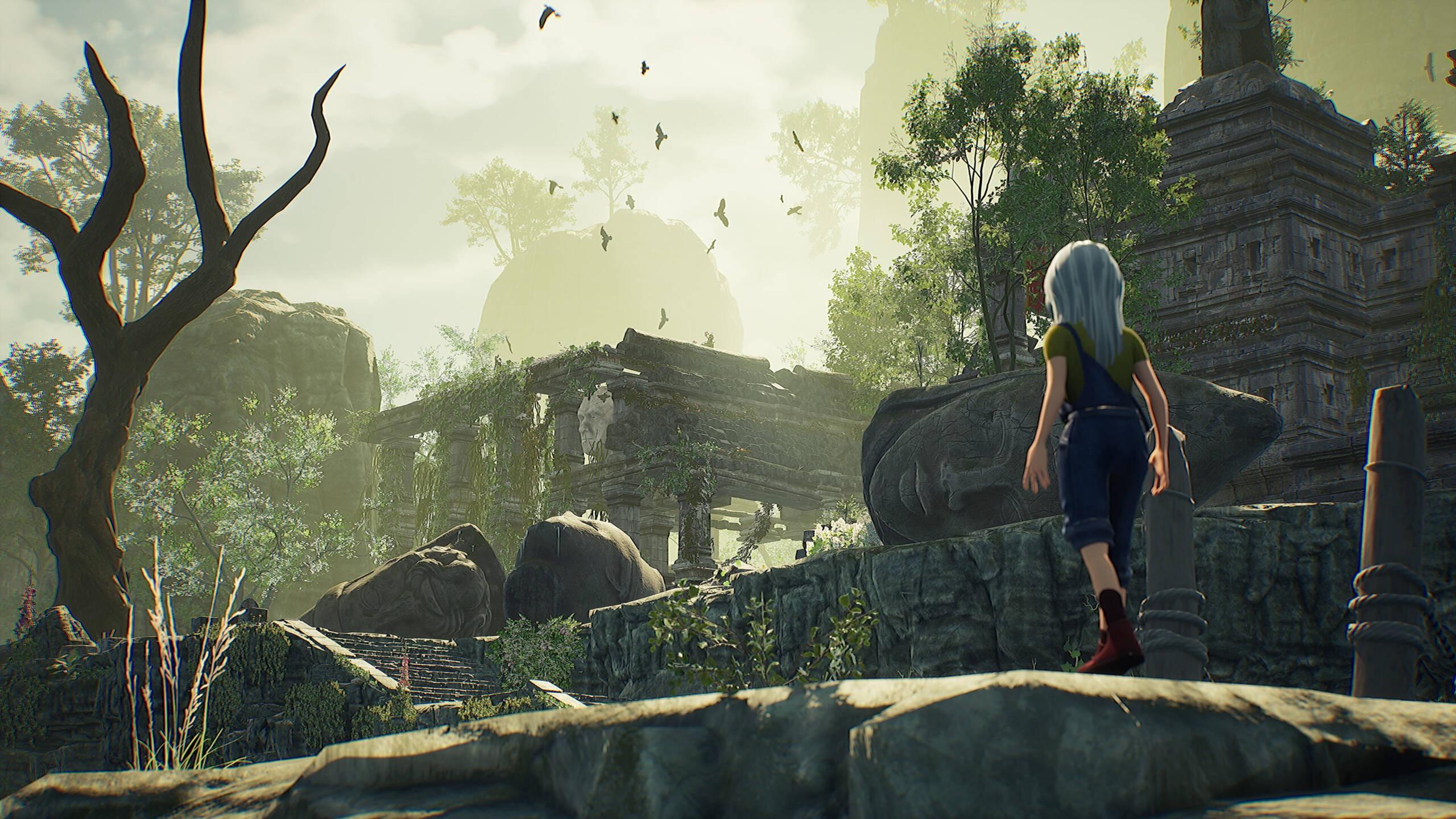
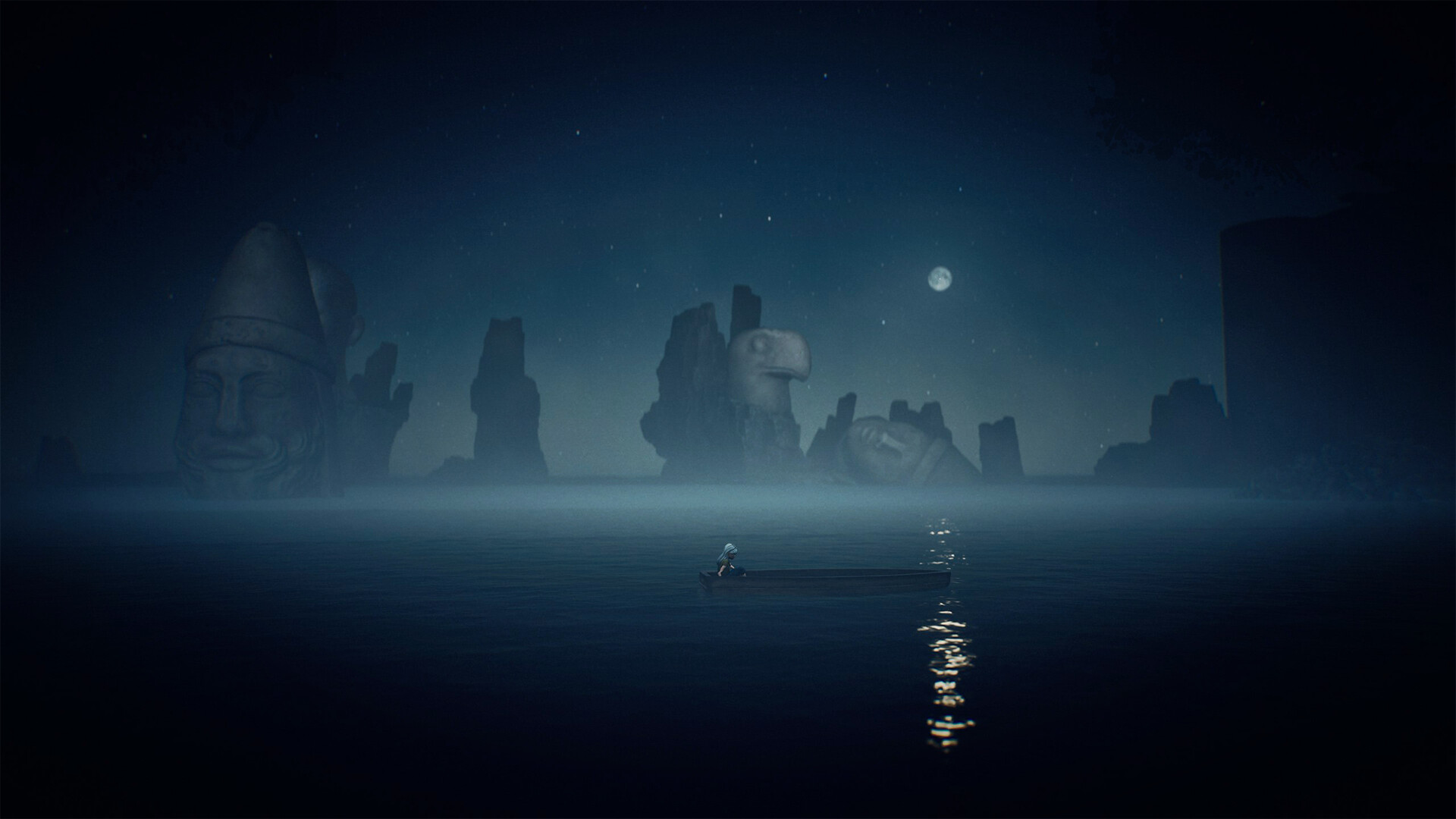
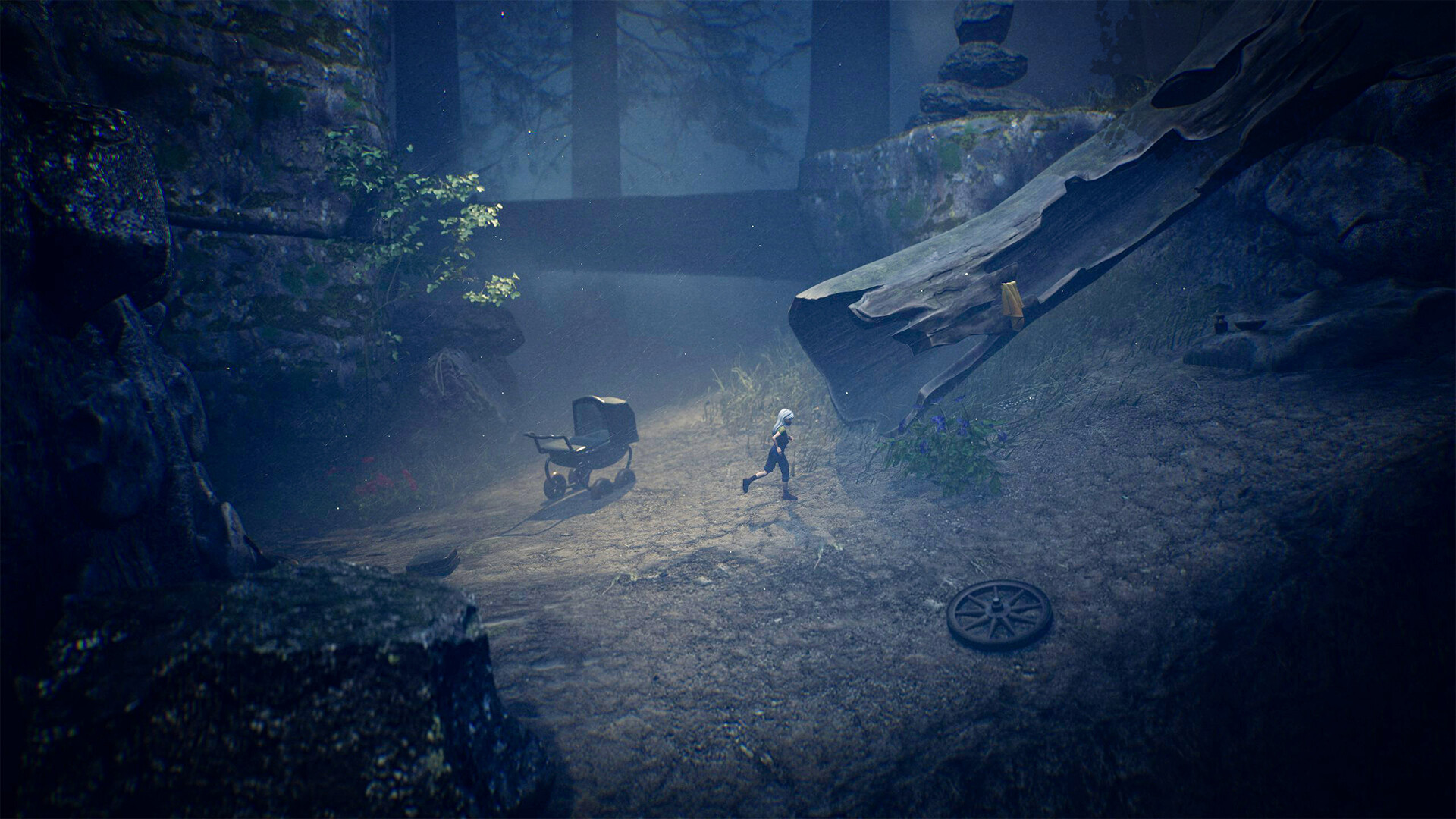
The game features a distinctive, dreamlike art style that makes exploring its world genuinely interesting. Enormous statues, unusual structures and vast areas covered in mist create an environment that feels mysterious without relying on constant visual distractions.
The subdued colour palette works particularly well, giving locations an almost haunting appearance while allowing their larger architectural features to stand out.
What impressed me most was the sense of scale. Ayasa often looks incredibly small compared with the surrounding environment, particularly when standing near towering structures or overlooking large expanses of water.
These moments make you appreciate just how imposing the world is supposed to feel, and they encourage you to stop moving occasionally and simply admire what’s on screen.
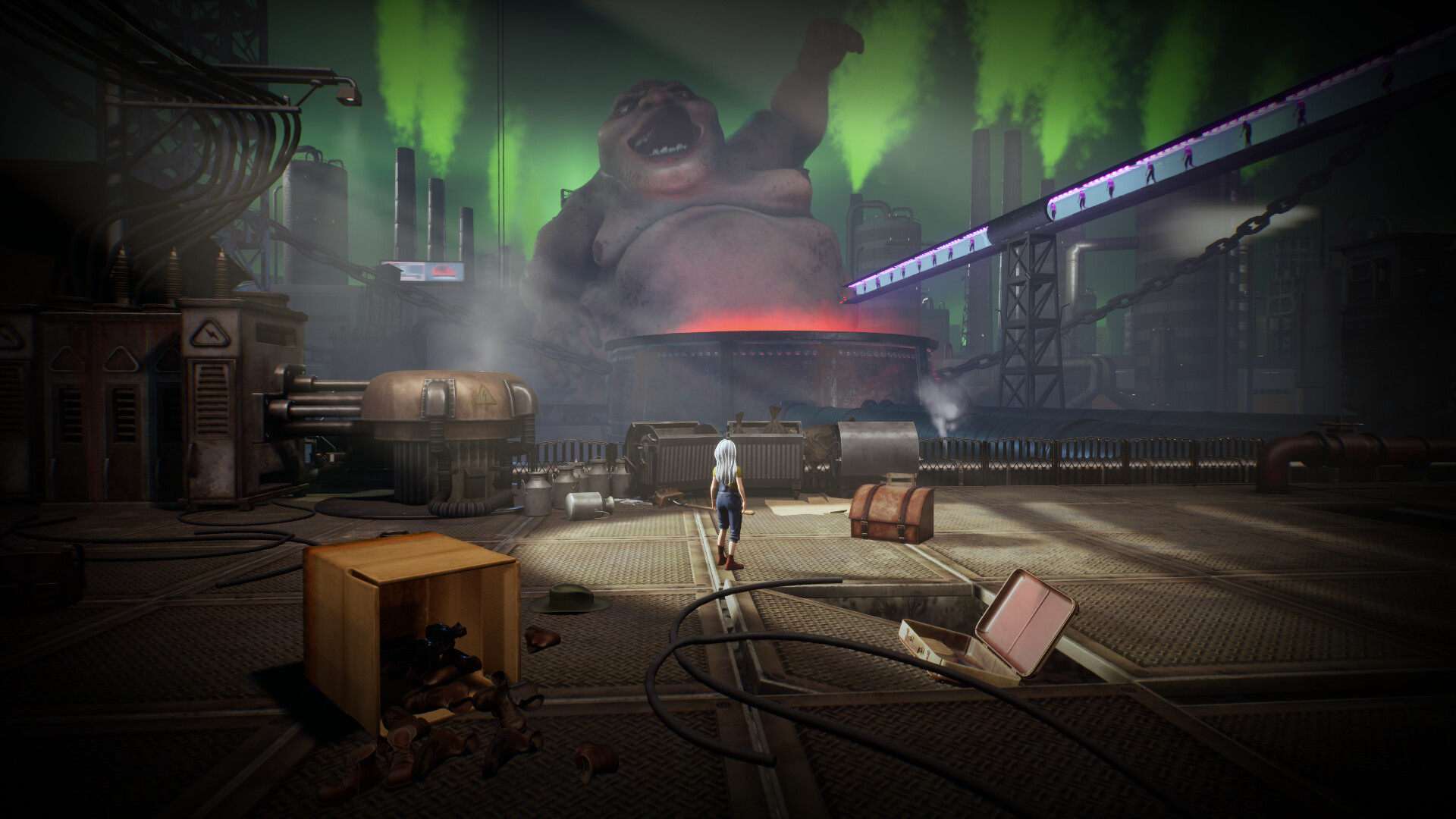
The creature designs are equally effective. Their appearance contributes to the unsettling atmosphere, making them feel like genuine threats rather than ordinary obstacles placed along your route. Admittedly, I became considerably less appreciative of certain creatures after they’d killed me for the fifth time, but their designs remained impressive.
The cutscenes deserve particular praise. They’re beautifully presented and help establish the personality of the world, often communicating important moments without requiring a single spoken line.
Even when I was struggling with gameplay, I remained interested in seeing what the next environment would look like. That’s a considerable achievement, especially in a game where frustration could easily discourage players from continuing.
letting the world speak
With so little spoken dialogue, the audio has an important role in establishing the atmosphere and giving the environments a sense of life.
The soundtrack moves between gentle, soothing compositions and more unsettling music depending on what’s happening. During quieter sections, it complements the mysterious surroundings without becoming distracting, while dangerous encounters introduce a more threatening tone.
This variation works particularly well alongside the visual presentation, helping distinguish peaceful exploration from moments when something considerably less friendly is approaching.
Environmental sounds also deserve recognition. Footsteps, background ambience and creature noises make the world feel more convincing, while helping to reinforce the tension during dangerous sequences.
Because Ayasa communicates without spoken dialogue during the sections I’ve experienced, these smaller details become especially important. The music and environmental audio support the storytelling without constantly demanding your attention.
My only notable complaint concerns the main menu music, which I found repetitive after hearing it several times. It’s a relatively minor issue compared with the gameplay criticisms, but a little more variety would certainly be appreciated.
Otherwise, the sound design complements the game’s atmosphere extremely well.
xbox performance: a smooth experience
I played Ayasa: Shadows of Silence using an Xbox review copy, and I’m pleased to report that the technical performance was generally very good throughout my time with it.
I didn’t encounter any significant frame-rate issues, freezing or crashes that affected my experience. Movement felt responsive, the presentation remained consistent and I was able to concentrate on the actual gameplay without worrying about technical interruptions.
That’s particularly important in a title featuring precise movement and potentially unforgiving enemy encounters. When failure can happen so quickly, unreliable performance would make an already demanding experience considerably worse.
The environmental obstruction I encountered during one chase was frustrating, but I can’t confidently identify it as a technical fault. Beyond that incident, my concerns were largely related to gameplay design and communication rather than the Xbox version’s overall performance.
final thoughts
Ayasa: Shadows of Silence has left me with mixed feelings, although there’s considerably more here that I admire than dislike.
The beautiful environments, impressive cutscenes and carefully considered sound design create a world that I genuinely want to understand. Its approach to storytelling took some getting used to, but I’ve gradually become more invested in the characters and the mysteries surrounding them.
The environmental puzzles are particularly enjoyable, encouraging you to pay attention and think for yourself rather than relying on constant instructions. Solving them provides some of the most satisfying moments I’ve experienced so far.
Unfortunately, I can’t say the same about every enemy encounter. Repeated one-hit deaths, unclear mechanics and occasional environmental obstructions can turn an otherwise interesting sequence into an exercise in patience. Unlocking additional abilities certainly helps, but some encounters left me feeling relieved rather than accomplished.
I don’t believe Ayasa needs to become easier. It simply needs to communicate certain mechanics more clearly, allowing players to understand why they’ve failed instead of repeatedly guessing what they were supposed to do.
For anyone who enjoys atmospheric puzzle-platformers, unusual worlds and games that leave plenty open to interpretation, there’s a lot to appreciate here. However, players who dislike trial-and-error gameplay or unforgiving chase sequences may find themselves struggling with its more demanding sections.
My impressions are based on the Xbox review copy and the portion I’ve played, rather than a completed playthrough, but I’m interested enough in its world and storytelling to want to see where the journey leads.
Ayasa: Shadows of Silence earns a 7/10 from me. It’s a visually impressive and intriguing adventure with excellent environmental puzzles, let down by frustrating enemy encounters and mechanics that could benefit from clearer explanations.
There’s a genuinely enjoyable game here. I just wish some of its creatures would give me five seconds to appreciate it before trying to kill me.
A code for Ayasa: Shadows of Silence was provided for review purposes.
Positives
✅ Beautiful Art Direction: Distinctive environments, enormous structures and impressive cinematic sequences.
✅ Rewarding Environmental Puzzles: Clever challenges that encourage observation and independent thinking.
✅ Atmospheric Storytelling: Character interactions and cutscenes gradually establish emotional connections without spoken dialogue.
✅ Excellent Sound Design: Music and environmental audio complement the game’s mysterious world.
✅ Smooth Xbox Performance: No significant technical problems encountered during my playtime.
Negatives
❌ Frustrating Enemy Encounters: One-hit deaths and repeated trial and error can become exhausting
❌ Unclear Mechanics: Newly unlocked abilities and certain enemy behaviours need better explanations.
❌ Occasional Environmental Obstructions: Small obstacles can interfere with movement during important chase sequences.
❌ Subtle Checkpoint Indicator: The automatic save symbol is easily overlooked.
❌ Repetitive Menu Music: More musical variety would improve the presentation.

Hi, I’m Saffy, a UK-based gamer and proud mum of two with a passion for discovering new games and sharing my experiences. As a writer for IndieCritical, I enjoy exploring a variety of genres across Xbox, Steam Deck and mobile, offering honest opinions and sharing what makes each game worth playing. Outside of gaming, I’m an avid reader with a particular love for dark romance, fantasy and why-choose novels. I’m also a huge anime fan, with Fairy Tail being a personal favourite. I have a soft spot for cats, all things dark and, of course, Halloween! Through my reviews, I hope to share my enthusiasm for gaming, introduce readers to interesting titles and provide genuine, balanced opinions from a player’s perspective.