Horror has always been one of the most effective genres in gaming when it comes to creating fear, tension and uncertainty. It can make us question what we have seen, force us to second-guess every sound around us and, at its best, leave an impression long after the credits have rolled. Over the years, we have seen countless horror games and remakes attempt to capture that feeling, with franchises such as Resident Evil proving just how powerful a modern reimagining can be.
However, there is another name that helped establish survival horror long before many of today’s biggest franchises: Alone in the Dark.
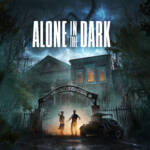
Originally released in 1992, Alone in the Dark became an important part of horror gaming history. Now, Pieces Interactive and publisher THQ Nordic have brought the series back with an entirely new interpretation of its foundations. Rather than simply recreating the original game, this version takes its characters, themes and concepts and builds something new around them.
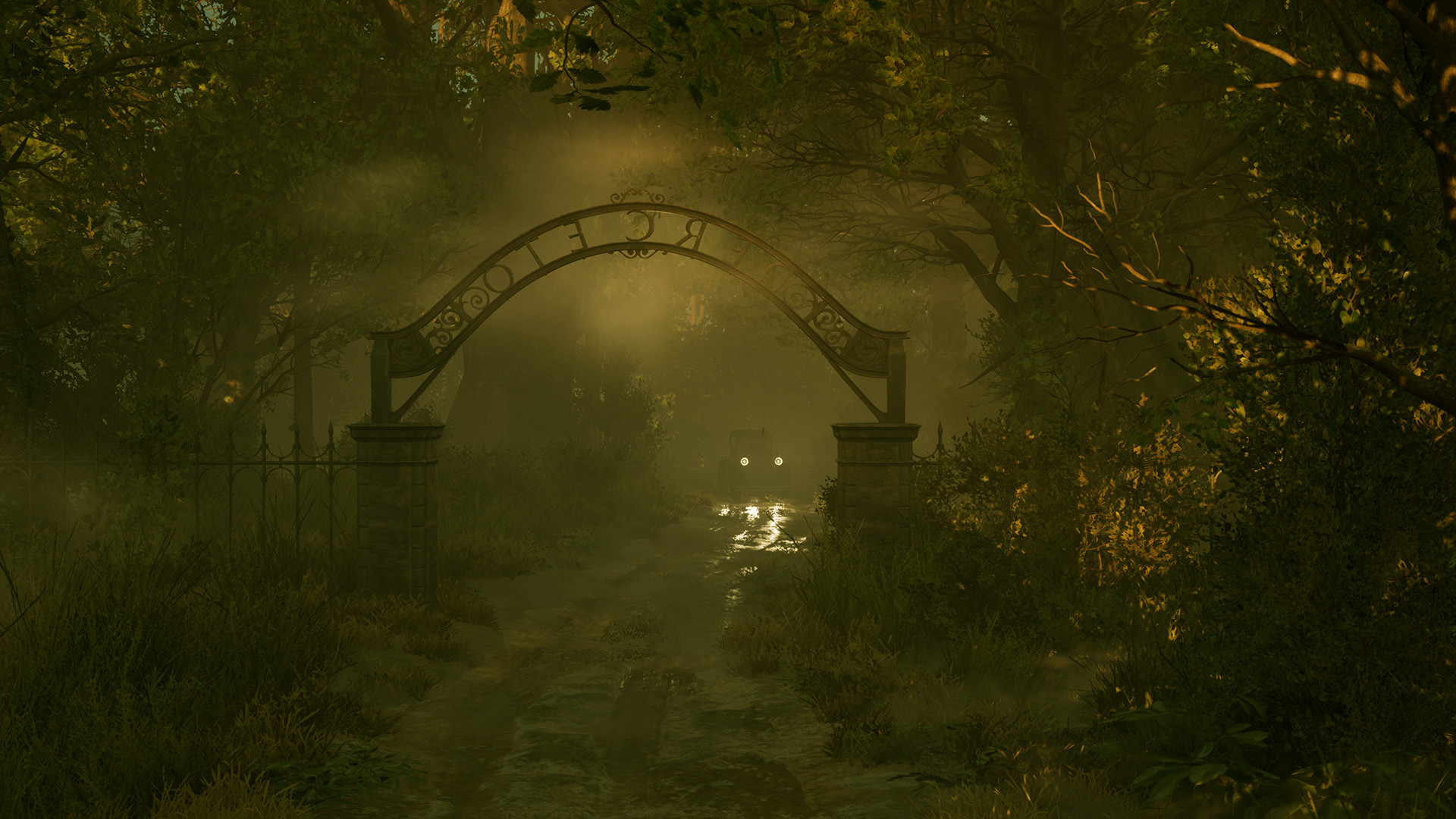
Set in the American South during the 1920s, the game combines psychological horror, mystery, detective work and Lovecraftian influences to create an unsettling journey through the mysterious Derceto Manor.
With its atmospheric environments, cinematic presentation, disturbing creatures and two playable protagonists, Alone in the Dark takes a different approach to survival horror, blending investigation and exploration with its darker elements.
Having never played the original game myself, I was interested to see how this reimagining would introduce me to the series and whether it could stand on its own for someone coming to Alone in the Dark for the first time.
you ain’t afraid of the dark are ya?
Alone in the Dark throws you into a mystery where nothing is quite as straightforward as it first appears. From the moment you arrive at Derceto Manor, there is a constant sense that there is more happening beneath the surface, and uncovering those secrets becomes a major part of the experience.
You can choose between two protagonists: Edward Carnby, portrayed by David Harbour, and Emily Hartwood, portrayed by Jodie Comer. Both characters are investigating the same central mystery, but their experiences are not identical. Each has their own perspective, dialogue, encounters and story sequences, giving you a genuine reason to replay the game once you have completed your first playthrough.
For my first playthrough, I chose Edward Carnby before returning to the game to experience the story from Emily Hartwood’s perspective. Seeing the events through both characters adds another layer to the narrative, particularly because certain scenes and interactions can feel different depending on who you are playing.
The story begins with Emily searching for her missing uncle, Jeremy Hartwood. Concerned about his disappearance, she brings in Edward, a private investigator, to help uncover what happened. Their investigation leads them to Derceto Manor, a secluded estate with a troubled history and residents who are far from what they initially seem.
What begins as a missing-person investigation gradually develops into something much darker.
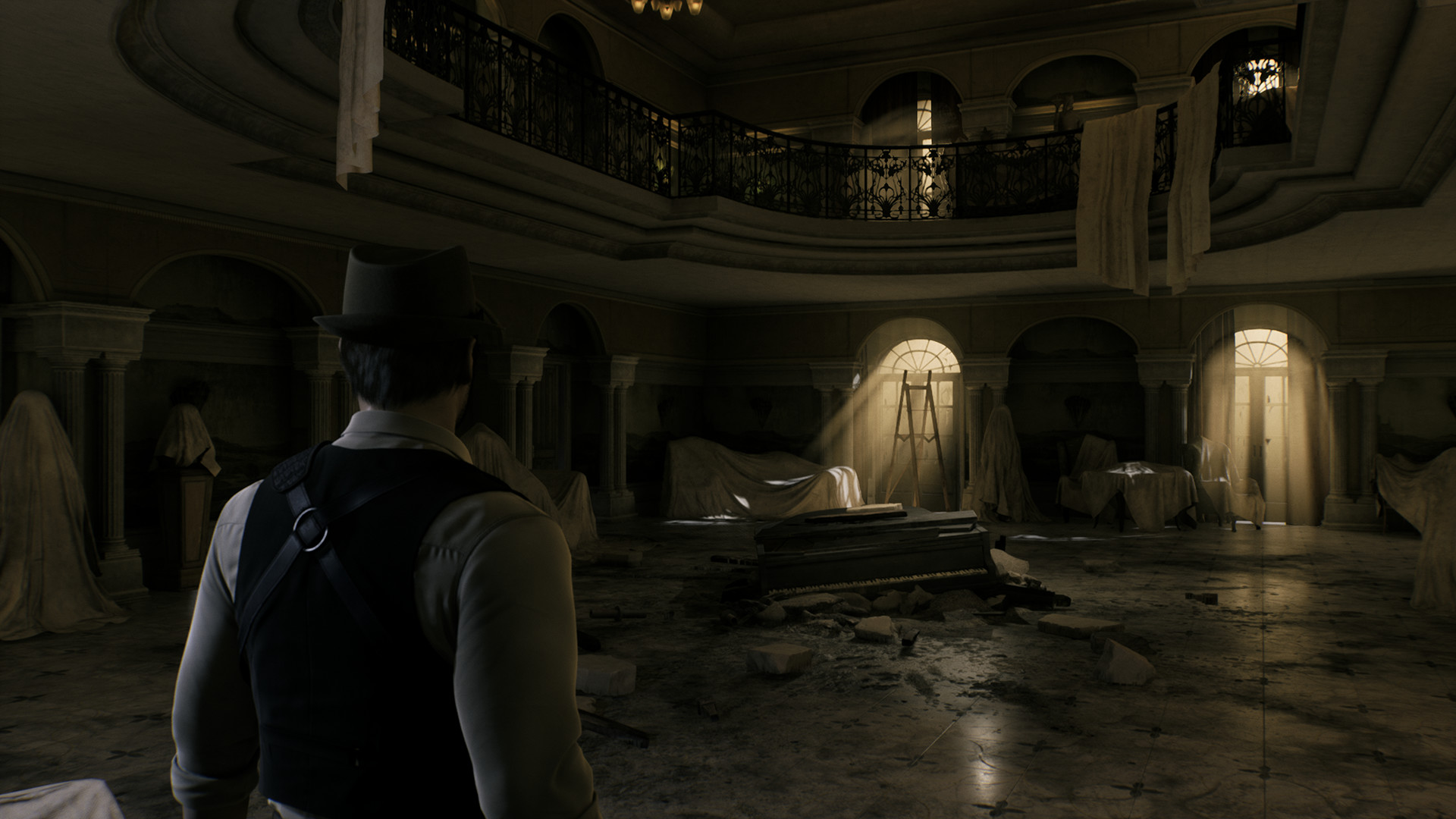
Derceto Manor itself plays an important role in the story. The building feels like more than simply a location for the events to take place. Its history, inhabitants and hidden areas all contribute to the mystery, encouraging you to explore further and piece together what has happened.
Rather than directly recreating the story from the original 1992 game, this version uses its foundations to create a new narrative set in the American South during the 1920s. Characters, themes and ideas from the original have been reworked for this interpretation, making it accessible even if, like me, you have never played the original Alone in the Dark.
The psychological side of the story is where the game becomes particularly interesting. Written by Mikael Hedberg, known for his work on SOMA and Amnesia: The Dark Descent, the narrative focuses heavily on the characters’ experiences and their perception of the events unfolding around them.
There were several moments during my playthrough where I genuinely had to stop and think about what I had just experienced. Some scenes caught me completely off guard, while others gradually built tension without immediately revealing where they were heading.
I also appreciated that the game does not constantly rely on traditional horror tropes to keep you engaged. There are certainly moments designed to make you jump, but the story often creates tension through its characters, locations and the questions it leaves unanswered.
Without getting into spoiler territory, there are several twists and sequences that I think are far more effective when experienced for yourself. The less you know going into them, the more impact they can have.
For someone experiencing the series for the first time, I found the story to be one of the most compelling aspects of Alone in the Dark. It gave me enough unanswered questions to keep exploring, while the different perspectives of Edward and Emily encouraged me to return and see what I had missed the first time around.
watch out for the boogeyman
At its heart, Alone in the Dark is an exploration-focused survival horror game, with Derceto Manor acting as the centre of your investigation. You will spend much of your time exploring its rooms, searching for clues, solving puzzles and uncovering pieces of information that gradually reveal more about the estate and the people connected to it.
Your choice between Edward Carnby and Emily Hartwood also affects how you experience the world. Certain characters react differently depending on who you are playing, while each protagonist has their own scenes, encounters and sections of the story. This helps make the second playthrough feel more worthwhile rather than simply repeating the exact same journey.
Exploration is a major part of the gameplay, and the game encourages you to take your time rather than rushing from one objective to the next. Rooms are filled with objects to examine, clues to discover and items that can provide information about what is happening around you.
As a private investigator, Edward’s approach to solving these mysteries fits naturally into the gameplay. You are regularly encouraged to examine evidence, revisit information you have already discovered and connect different pieces of the investigation together. It gives the game a nice detective element and makes you feel more involved in uncovering the truth rather than simply being told what is happening.
Puzzles are another important part of the experience. Some require you to locate specific objects, while others ask you to examine clues, understand combinations or work out how different pieces of information connect. They provide a welcome change of pace from exploration and combat, particularly when you have been spending time navigating some of the game’s darker environments.
One feature I particularly liked was the choice between Modern and Old School modes.
Modern mode provides additional assistance when solving puzzles and progressing through the game. It can give you more detailed information, highlight relevant areas and make it clearer when you have everything required to complete a particular objective.
Old School mode takes a more hands-off approach. The additional guidance is reduced, meaning you are expected to pay closer attention to your surroundings and work things out for yourself.
I personally appreciate having both options available. If you want to concentrate on the story without getting stuck for too long, Modern mode gives you a helping hand. However, if you want to feel more like a detective and solve everything yourself, Old School mode provides a much more traditional experience.
a remake worth playing
Of course, exploration is only one part of Alone in the Dark.
Eventually, you are going to encounter something that wants to stop you from progressing.
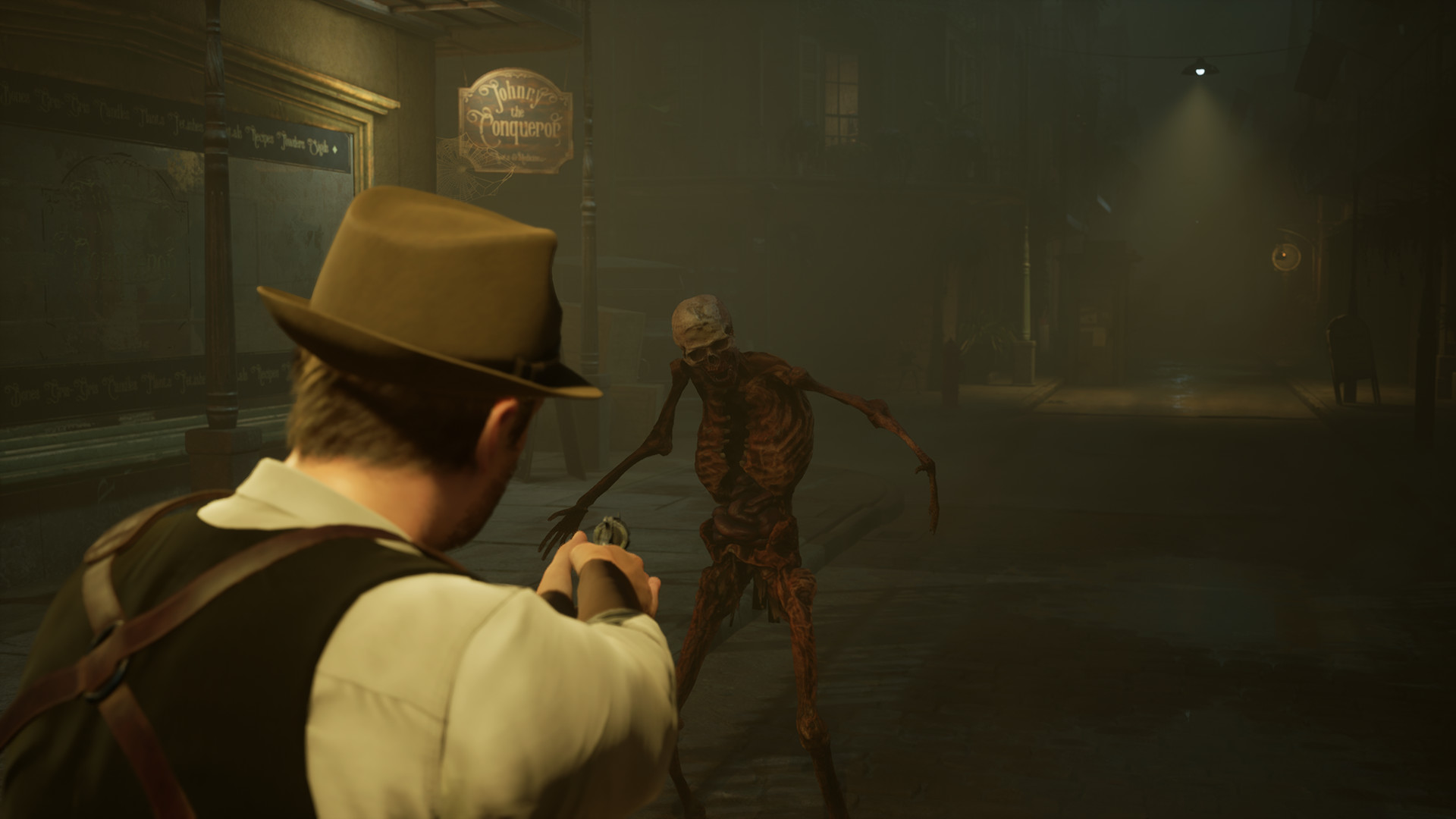
Your flashlight becomes an important tool while exploring dark areas, but when things become more dangerous, you will need to rely on your weapons and whatever resources you have managed to collect.
Ammunition is limited, so shooting your way through every encounter is not always the best approach. This encourages you to think about how you want to handle each situation rather than immediately reaching for your gun.
Stealth becomes particularly useful when resources are running low. You can throw objects such as bottles to distract enemies, allowing you to draw them away from your position and slip past without starting a fight.
I found this especially useful during some of the more difficult encounters. Sometimes the best option is simply to avoid a fight altogether, particularly when you know that your ammunition could be more valuable later.
If you do decide to fight, you are not limited to firearms. The game features a selection of melee weapons, including items such as axes and crowbars. These give you another option when ammunition is limited, although they are not indestructible.
Melee weapons deteriorate as you use them, meaning you need to keep an eye on their condition. Once a weapon has taken too much damage, you will need to find another one.
This creates another small layer of resource management and encourages you to think carefully about which weapons you use and when.
Health management is also important. Alcohol can be collected and used to restore your health, but your supply is limited, meaning you cannot simply heal yourself whenever you take damage.
Managing your ammunition, weapons and health becomes increasingly important as you progress, particularly when the game starts throwing more dangerous encounters your way.
One of the smaller details that I really appreciated was the way Edward and Emily physically show the effects of the damage they receive.
After being attacked, characters can become visibly injured, while their clothing can become covered in blood. If you are caught in certain environmental hazards, their appearance can change to reflect what has happened.
It is a relatively small feature, but these details help make the characters feel more connected to what is happening around them. Rather than simply watching a health bar decrease, you can actually see the consequences of your encounters.
are you scared? no? you should be
Then, of course, there are the creatures.
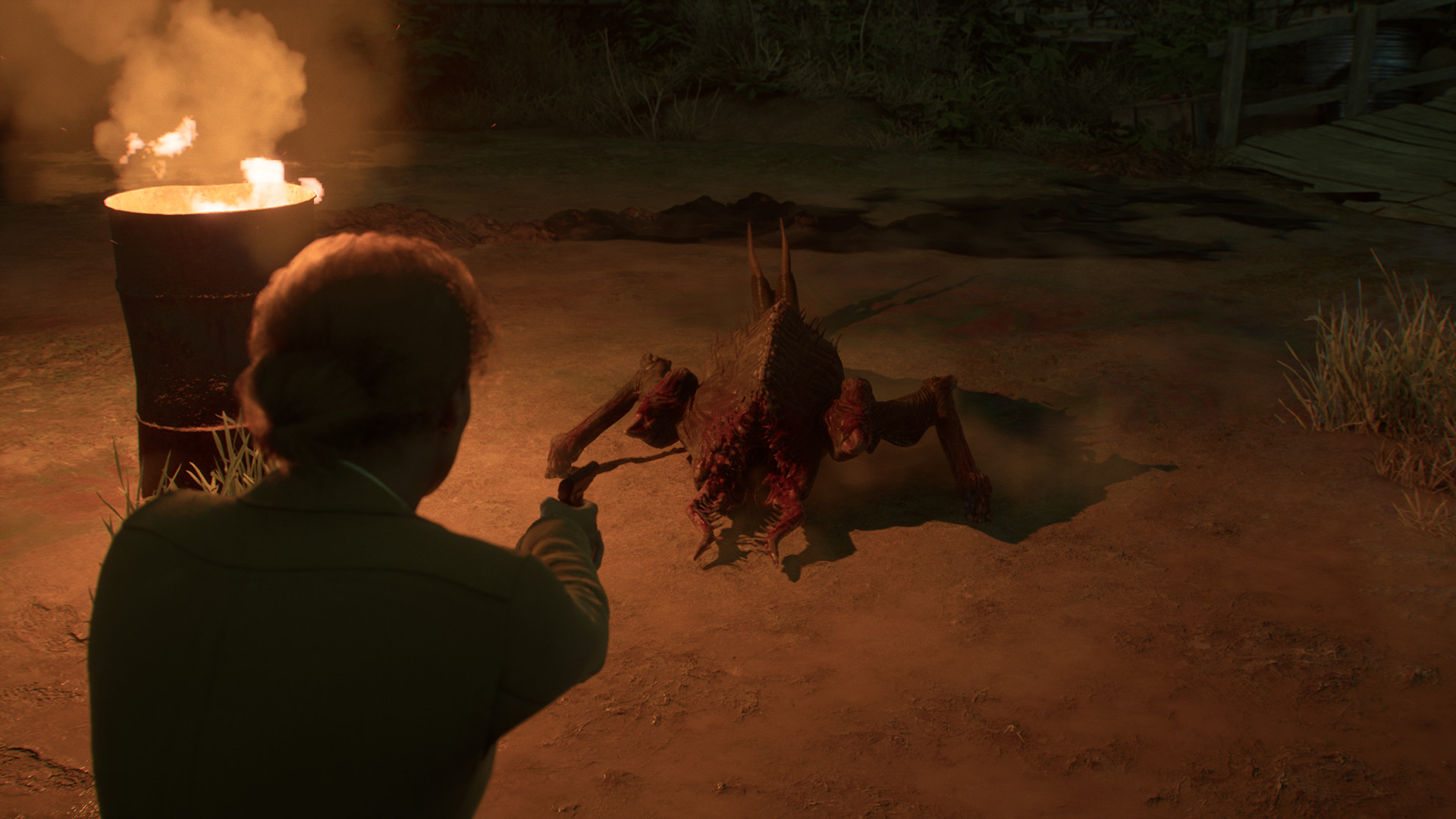
Alone in the Dark combines its 1920s setting and noir influences with Lovecraftian horror, resulting in enemies that feel very different from the traditional monsters you might expect from a survival horror game.
The creature designs are unsettling, but what makes some encounters particularly effective is the way they are introduced. You may spend several minutes exploring an area without encountering anything, only for the atmosphere to suddenly change.
And yes, there are plenty of jump scares.
I had several moments where I was confidently walking through an area, completely unaware of what was about to happen, only for the game to catch me off guard. There were definitely a few occasions where I nearly jumped out of my seat.
The game does a good job of playing with your expectations. Just because an area appears quiet does not necessarily mean you are safe, and that uncertainty kept me paying attention throughout my playthrough.
Alongside the main investigation, Alone in the Dark includes a collection system known as Lagniappes.
These optional items are hidden throughout the game and are divided into different sets. Finding and completing those sets can reveal additional information, provide insight into the world and uncover pieces of the game’s deeper lore.
They are not required to complete the main story, but they give you another reason to explore every corner of the environments rather than simply following your next objective.
Some can be surprisingly well hidden, so collecting everything requires you to pay attention to your surroundings and investigate areas that you might otherwise walk straight past.
For completionists, the Lagniappes provide an additional layer of exploration, while players who are more interested in the main story can simply leave them behind and continue their investigation.
alone at last
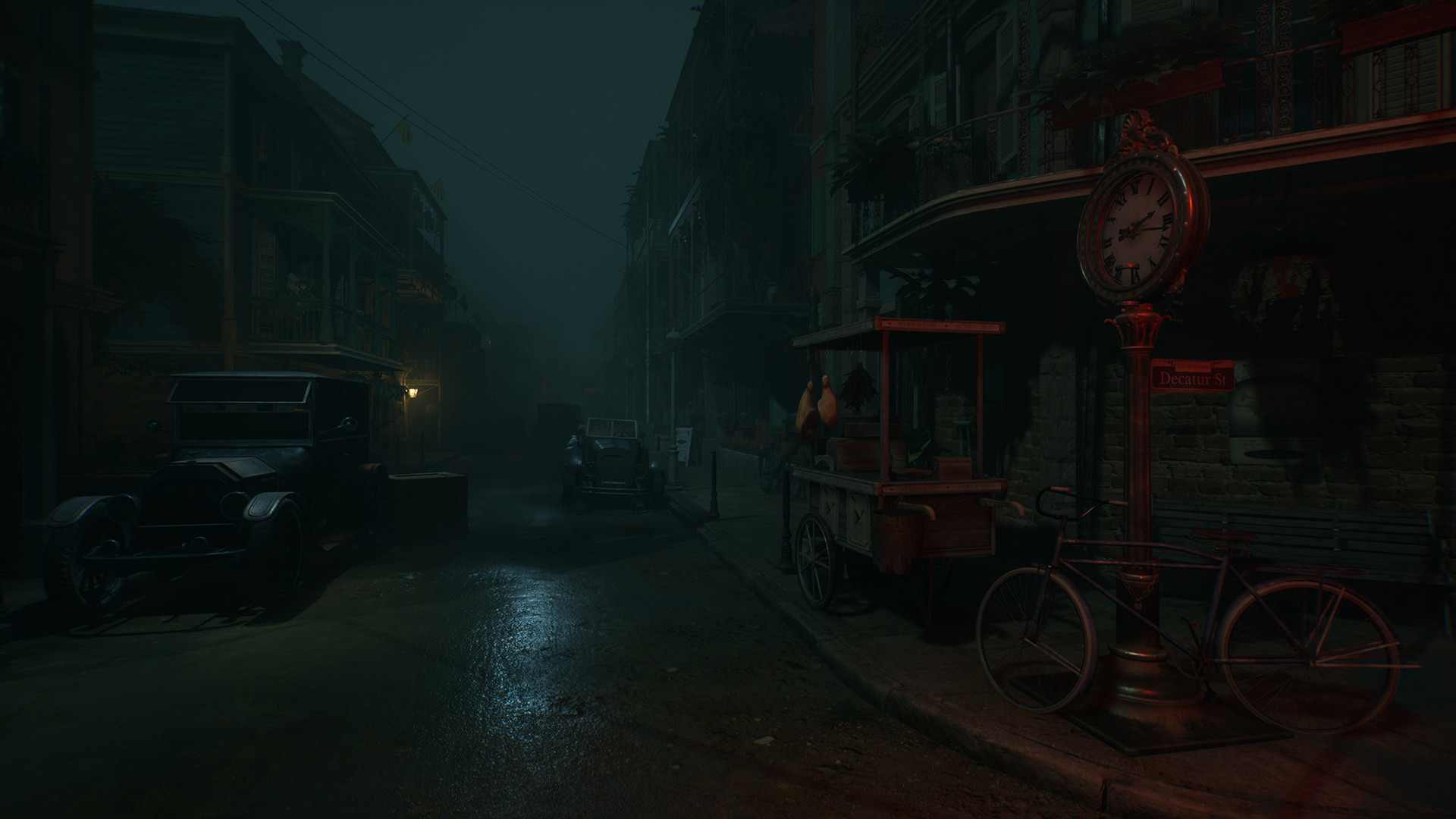
Alone in the Dark does an impressive job of bringing its 1920s setting to life, creating a world that feels suitably authentic while still maintaining the unsettling atmosphere you would expect from a survival horror game.
Built using Unreal Engine 4, the game features detailed environments, character models, lighting and visual effects that work together to establish its distinctive atmosphere. Derceto Manor is easily one of the game’s most memorable locations, with its rooms, corridors and surrounding areas designed to feel like a genuine estate with decades of history behind it rather than simply a collection of levels for you to move through.
The American Southern setting also gives the game a visual identity that separates it from many other survival horror titles. The architecture, clothing, interiors and surrounding environments all reflect the period, while the darker elements of the game gradually transform these locations into something far more unsettling.
Edward Carnby’s design fits naturally into the game’s noir influences. His period clothing and iconic fedora give him the appearance of a classic private investigator, while Emily Hartwood has her own distinctive look that helps establish her identity.
The two protagonists therefore feel visually different as well as narratively distinct, which works particularly well alongside the game’s two separate perspectives.
The creature design is another major highlight.
Monster designer Guy Davis, known for his work with filmmaker Guillermo del Toro, helped shape the game’s creature designs, which feature unusual shapes and genuinely unsettling appearances.
Rather than simply throwing variations of the same monster at you, the game gives its creatures their own designs and visual characteristics. Some are disturbing because of their appearance, while others become more memorable because of the situations in which you encounter them.
Lighting also plays an important role throughout the game. Dark corridors, dimly lit rooms and sudden changes in lighting help create an environment where you are never entirely comfortable.
The combination of the environments, character designs, lighting and creature work gives Alone in the Dark a strong visual identity. The game does not simply use its visuals to make the world look good; they actively contribute to the feeling of unease that runs through the experience.
Whether you are exploring Derceto Manor during a quieter section or moving through one of the game’s more disturbing locations, the visual design consistently works alongside the horror.
If the visuals create the world of Alone in the Dark, its audio helps bring that world to life.
The performances from David Harbour and Jodie Comer are a particular highlight. Both actors bring plenty of personality to their respective characters, helping the game’s story sequences feel considerably more cinematic.
David Harbour’s portrayal of Edward Carnby gives the character a confident but occasionally vulnerable presence. There were moments where I could recognise some qualities from roles I have seen Harbour play before, but his performance still gives Edward his own identity and fits the tone of the game particularly well.
Jodie Comer is equally impressive as Emily Hartwood. Her performance gives Emily plenty of emotional depth, particularly as the situation surrounding her uncle becomes increasingly complicated.
The chemistry between Harbour and Comer is also noticeable. Their interactions feel natural, helping the narrative sequences feel more like scenes from a psychological horror film rather than simply dialogue designed to move the player from one objective to the next.
The soundtrack, composed by Jason Kohnen, is another important part of the game’s presentation.
The use of jazz and New Orleans-inspired musical influences fits the setting perfectly. Rather than relying on constant dramatic music, the soundtrack often knows when to pull back and let the atmosphere do the work.
There are moments where the music creates a subtle sense of unease without demanding your attention, while other sequences use the soundtrack to build tension and make an already uncomfortable situation feel even more intense.
The sound effects are equally important.
Footsteps, environmental noises and distant sounds can make exploration considerably more tense. A noise coming from somewhere you cannot see can be enough to make you stop and listen, wondering whether you should continue or investigate further.
This is particularly effective in a horror game because sound can make you feel threatened without actually showing you what the threat is.
Sometimes, hearing something is more unsettling than seeing it.
The combination of the voice acting, soundtrack and environmental audio gives Alone in the Dark a strong audio identity and plays a major role in creating the atmosphere that makes Derceto Manor such an uncomfortable place to explore.
when did we get to silent hill?
Alone in the Dark was my first real experience with the series, so I approached this remake without the nostalgia that fans of the original 1992 release may have. Instead, I was able to experience it as someone completely new to the franchise, judging it on what this version brings to the table.
And honestly, I came away impressed.
Pieces Interactive have created a survival horror experience that brings together investigation, exploration, combat, puzzle solving and psychological horror without allowing any one element to completely overshadow the others.
The mystery surrounding Derceto Manor kept me interested throughout my playthrough, with each discovery giving me another reason to keep exploring and find out what was really happening. The decision to have two playable protagonists also adds value to the experience, as returning to the story as Emily after playing as Edward gives you another perspective on the events and characters.
I also think the game’s setting plays a huge part in giving it its identity. The combination of 1920s America, noir influences and Lovecraftian horror creates a setting that feels different from many other survival horror games. Add in the performances from David Harbour and Jodie Comer, and you have a story that benefits from a strong cast as well as its unsettling subject matter.
For me, the atmosphere is where Alone in the Dark really stands out.
It understands that horror does not always need to throw something directly at you to be effective. Sometimes it is the quiet moments, the strange noises, the unexplained events and the feeling that something is not quite right that keep you on edge. There were several occasions where I found myself slowing down simply because I wanted to know what was around the next corner before moving forward.
There are also plenty of reasons to return once you have completed the main story. The alternative protagonist, different experiences and collectible Lagniappes give you more to discover, particularly if you want to uncover everything the game has hidden away.
That does not mean Alone in the Dark will be for everyone. Players looking for a fast-paced horror experience built heavily around combat may find the slower investigative sections less appealing. However, if you enjoy taking your time, exploring environments, solving puzzles and becoming invested in a psychological horror story, there is plenty here to appreciate.
As someone who had never played an Alone in the Dark game before, this remake gave me a new appreciation for a series that helped establish the foundations of survival horror.
It left me wanting to go back, explore more of Derceto Manor and see what else I could uncover.
So, after stepping into the world of Alone in the Dark for the first time, I have one question left:
Are you brave enough to uncover what is hiding within Derceto Manor?
Positives
✅ Strong psychological horror – The game builds tension through atmosphere, unsettling environments and unpredictable moments rather than relying entirely on jump scares..
✅ Two playable protagonists – Edward Carnby and Emily Hartwood offer different perspectives, scenes and interactions, giving you a genuine reason to replay the story.
✅ Excellent performances – David Harbour and Jodie Comer bring their characters to life with convincing performances that strengthen the game’s cinematic storytelling.
✅ Distinctive setting – The combination of 1920s American Southern culture, noir influences and Lovecraftian horror gives the game its own identity.
✅ Modern and Old School options – Players can choose between additional guidance or a more traditional experience where they have to solve puzzles themselves.
✅ Atmospheric presentation – The environments, lighting, creature designs, soundtrack and sound effects work together to create an consistently unsettling experience.
✅ Replay value – Different character experiences and the collectible Lagniappes give players reasons to return after completing the main story.
Negatives
❌ Some pacing issues – The slower investigative sections may not appeal to players who prefer a consistently fast-paced horror experience.
❌ Resource management can be restrictive – Limited ammunition and weapon durability can occasionally make encounters feel more frustrating than tense.
❌ Combat can feel limited –The combat system is functional but may not satisfy players looking for a more action-heavy survival horror experience.
Co-owner of Indie Critical. I’m passionate about highlighting independent voices in film, games, and culture. I focus on honest, thoughtful reviews and love helping great indie projects get the recognition they deserve. When I’m not writing or editing, I’m probably diving into the latest hidden gem or discovering the next big thing in the indie scene.


 Co-owner of Indie Critical. I’m passionate about highlighting independent voices in film, games, and culture. I focus on honest, thoughtful reviews and love helping great indie projects get the recognition they deserve. When I’m not writing or editing, I’m probably diving into the latest hidden gem or discovering the next big thing in the indie scene.
 Lewis Langton
@IndieLew
Lewis Langton
@IndieLew