Few setups hook me faster than waking up inside a freezing, blood-streaked steel corridor with a blade clenched in my fist, an unfamiliar voice crackling over my comms, and the immediate gut feeling that whatever butchered the crew is waiting right behind the next bulkhead.
Created by Pixel Reign and published by Super Rare Originals, Moros Protocol is a pixel-painted sci-fi first-person shooter roguelite that fuses the breakneck pace of classic 1990s boomer shooters with modern procedural runs and punishing, Souls-like boss encounters.
Aboard the ruined deep-space warship The Orpheus, every corner promises a tense fight for survival where getting killed is simply part of the learning curve rather than a hard stop.
As someone who spends way too many late nights chasing that sweet spot between old-school arcade aggression and thoughtful tactical pacing, I was eager to see whether Moros Protocol carves out a distinct identity in a crowded genre, or if the weight of repetition eventually pulls the whole ship under.
Story
The narrative wastes zero time on slow introductions, dropping you straight into the boots of Alex, a soldier pulled from cryosleep aboard The Orpheus with his memory wiped clean and no clue how the vessel became a floating tomb.
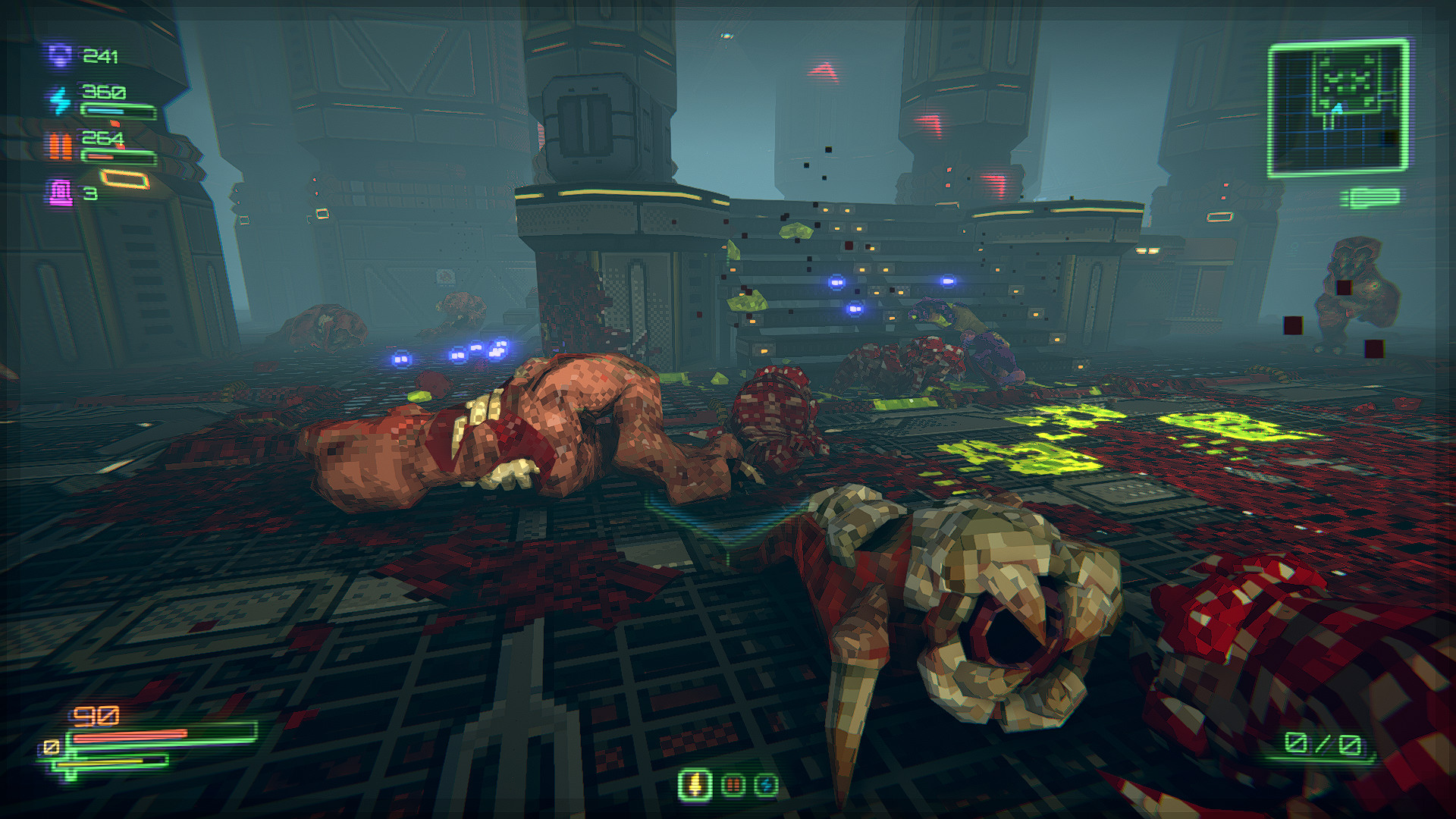
You soon discover the warship has been consumed by the Darkphage, a parasitic, mutating nightmare reminiscent of Halo’s Flood that warps both human crew members and ship machinery into grotesque threats.
Your objective is clear enough: battle through the infected decks, piece together what sparked the disaster, and either wipe out the organism or trigger the titular “Moros Protocol” fail-safe before the contagion spreads beyond the hull.
You are not completely isolated in the gloom, though. Moments after your first inevitable death, your consciousness gets beamed into a fresh host body, and you are paired with OD6, a hovering AI drone that cuts through pitch-black corridors with its spotlight, overrides locked doors, and chatters away throughout your runs.
Along the journey, you also cross paths with recurring figures like the enigmatic masked fighter known as Sin Seeker, alongside scattered audio logs and environmental clues detailing the crew’s desperate final hours.
As someone fascinated by how human minds cope under extreme isolation and psychological pressure, I loved the setup during my opening hours. The setting taps right into the claustrophobic dread that made Event Horizon and System Shock unforgettable.
Unfortunately, the script struggles to hold that tension steady. The dialogue frequently swings between grim sci-fi mystery and oddly campy quips that puncture the eerie mood.
While OD6 brings a welcome spark of companionship to empty hallways, the wider plot mostly serves as functional scaffolding to explain why you keep dying and respawning.
It offers just enough intrigue to keep you pushing forward, even if the cast never develops the emotional depth needed to stick with you once the credits roll.
Gameplay
At its heart, Moros Protocol thrives on rapid, kinetic combat that rewards constant footwork and spatial awareness over hiding behind cover.
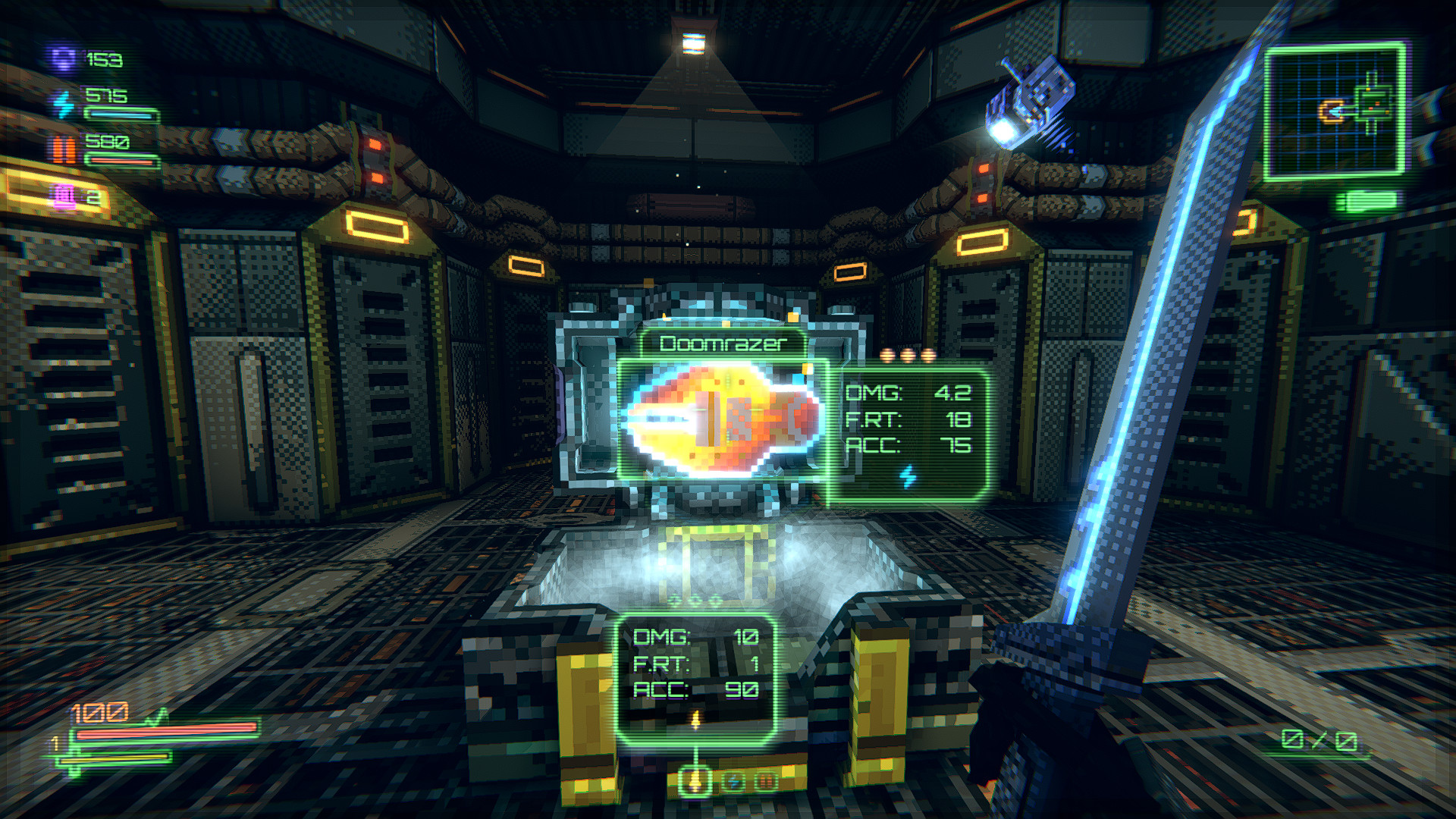
Every run kicks off in the Storage Bay with nothing more than a melee blade, forcing you to get uncomfortably close to shambling husks before scavenging proper firepower.
As you navigate the ship’s three primary decks, each broken into four procedurally arranged sectors, you can carry one melee weapon alongside two interchangeable guns split between ballistic and energy ammo pools.
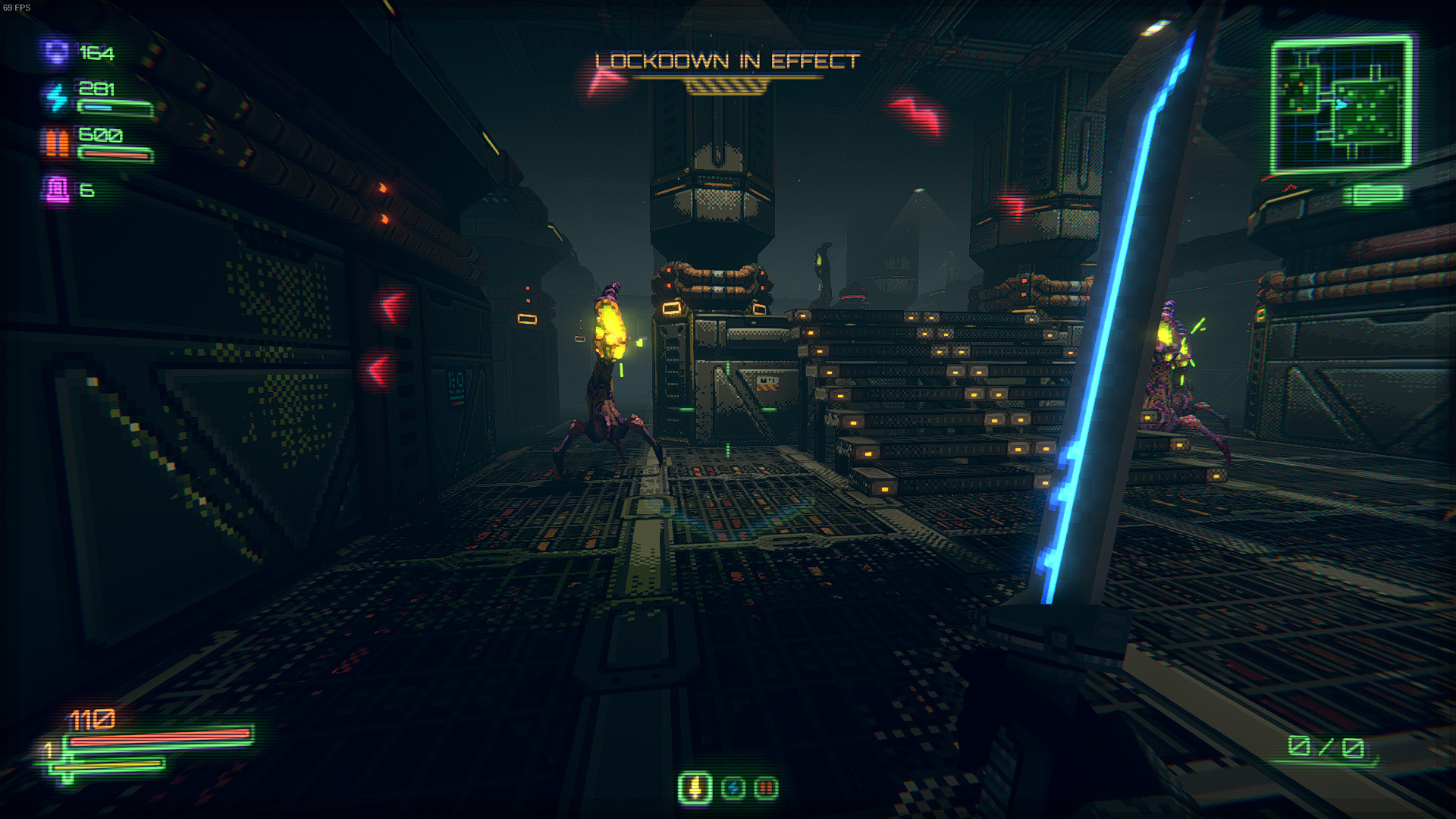
The second you step into a room housing hostiles, the blast doors slam shut on lockdown, turning every chamber into a self-contained arena that refuses to open until every last creature is dead.
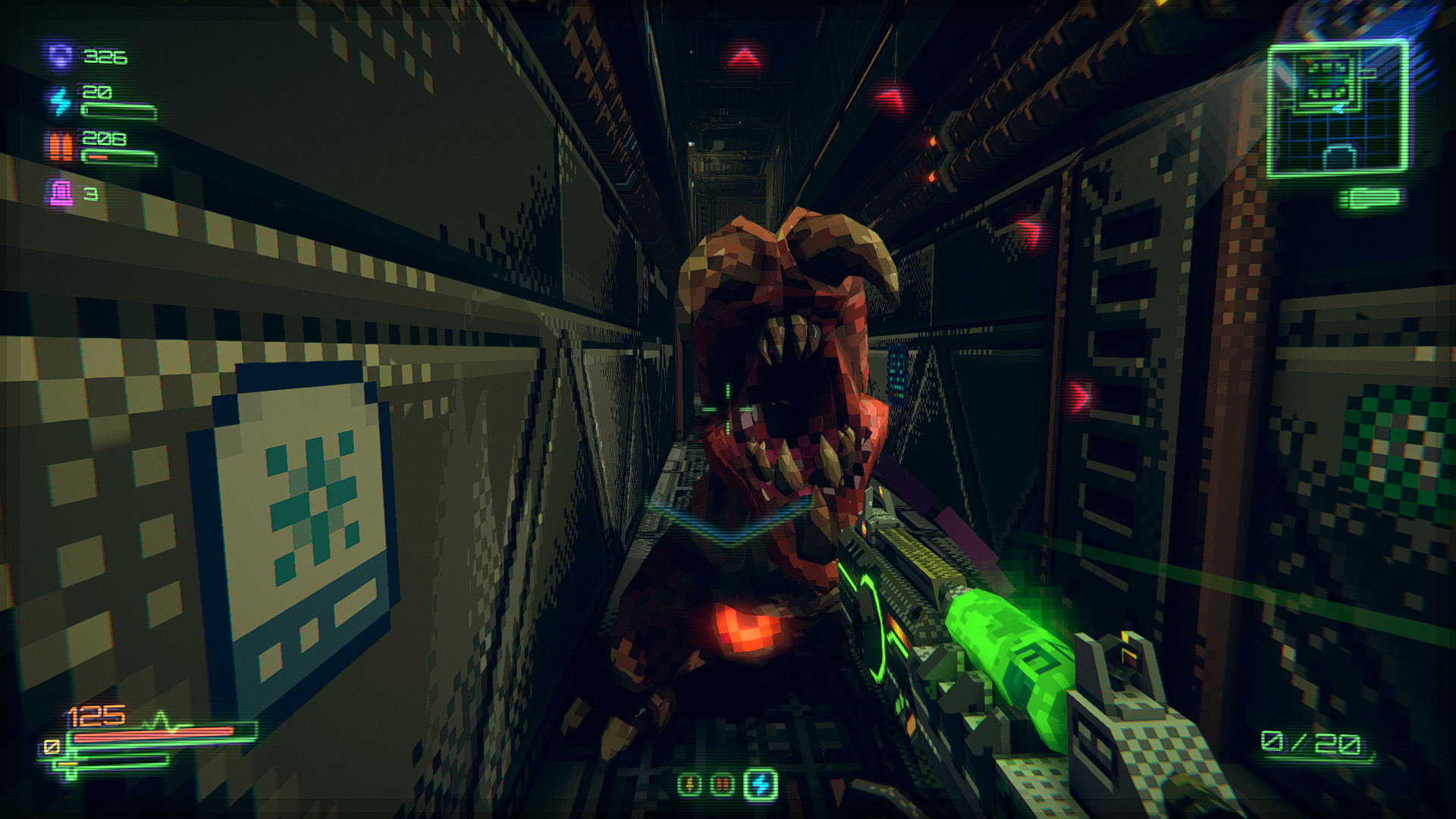
The moment-to-moment shooting and swordplay feel wonderfully crisp. Carve an enemy in half with a heavy nano-sword strike, air-dash backwards out of reach, unload a burst from dual submachine guns, and punt a charging mutant across the deck. The flow state is genuinely addictive.
Stamina management anchors every firefight. Sprinting, dodging, and heavy melee swings all pull from the same bar, meaning reckless button-mashing quickly leaves you trapped in a corner with nowhere to run.
Careful scavenging pays off as well, since smashing suspicious organic growths and checking side rooms reveals hidden caches, credits, energy rounds, and temporary augments. Up to three of these can be equipped at once to tweak your stats or weapon behaviour.
The game hits its absolute peak during its boss battles. Squared off against towering horrors like Big Brother, a multi-limbed beast that sends ground-skimming energy waves across the floor and summons jagged red crystal clusters, or during recurring duels against Sin Seeker, you have to rely on sharp pattern recognition and disciplined dodging.
Teaming up with a friend via the two-player online drop-in co-op mode elevates these clashes even further. Having someone watching your six turns desperate solo survival into coordinated flanking runs, where one player draws the boss’s attention while the other unloads heavy energy fire.
Still, several frustrating design rough edges keep the mechanics from reaching top-tier status.
Healing is painfully scarce early on, tied to charging a “stim shot” meter via combat pickups that often builds far too slowly when you are pinned inside a chaotic lockdown.
Even more noticeable is how modest the roguelite progression feels. When you fall, you keep collected Biomats to invest in the permanent Bioboost skill tree, unlocking starting weapons and incremental stat boosts.
Yet both the permanent upgrades and mid-run augments offer tiny statistical nudges rather than wild, build-defining synergies that radically change how you play from run to run.
Paired with a narrow roster of standard enemies and repeating room layouts that grow familiar after just a few attempts, the trek between boss fights can start feeling like a chore.
Minor control quirks, like reload animations cancelling your ability to jump and occasionally stingy hitboxes on certain monsters, also trigger a few cheap deaths that test your patience.
Visuals
Visually, Moros Protocol proves that smart art direction easily beats raw graphical muscle.
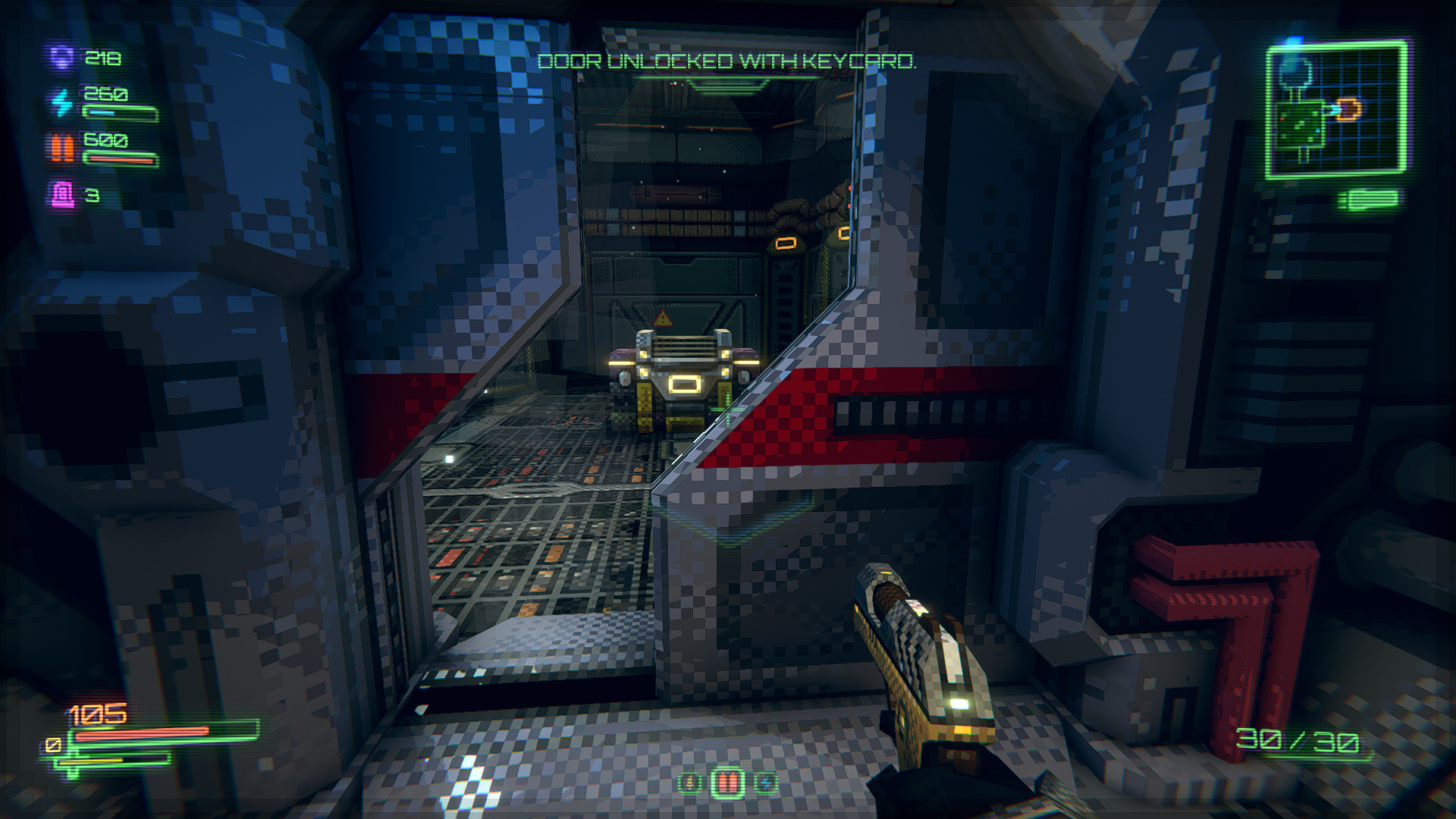
Built on a bespoke custom renderer, the game pairs chunky, PlayStation 1-era low-poly geometry and crunchy pixel textures with thoroughly modern dynamic lighting. The result is a striking “pixel-painted” look that feels like an unearthed late-nineties PC cult classic running through a contemporary lighting engine.
The ruined decks of The Orpheus drip with mood. Blood-stained cargo bays, stuttering fluorescent tubes, pulsing organic infestations, and pitch-black maintenance vents combine to create relentless claustrophobia.
Watching OD6’s beam slice through the shadows while neon muzzle flashes and glowing crimson enemy projectiles light up the bulkheads looks fantastic in motion.
Boss designs are equally memorable, looming as grotesque silhouettes against the cold industrial metal.
There are a few visual hiccups worth flagging, though. Because the lighting leans so aggressively into deep shadow, certain flat surfaces and dark corners occasionally turn muddy, making it tough to spot environmental hazards like poison sacs or laser tripwires mid-firefight.
Technically, performance stays rock-solid, holding a smooth 60 frames per second across modern consoles and PC even when rooms erupt with gore and particle effects.
However, a handful of stiff enemy death animations slightly break the spell during close-quarters brawls.
sounds
Audio design does heavy lifting to anchor Moros Protocol’s space-horror atmosphere.
The soundtrack shifts seamlessly from brooding, industrial synth pulses during quiet exploration into aggressive, high-tempo electronic tracks the instant a room locks down and monsters pour from the vents.
It never becomes exhausting, knowing exactly when to fade back and let the lonely hum of a dying starship take centre stage.
Environmental sound effects are sharp and genuinely unnerving. Distant metallic groans, the wet skittering of unseen creatures behind walls, and the low static hiss of broken terminals kept me glancing over my shoulder even after clearing a deck.
Combat audio lands with real weight, too: shotguns thump with deep bass, energy rifles crackle cleanly, and the metallic shing of your blade slicing through flesh gives melee combat a visceral punch.
Voice acting is a noticeably shakier affair. While the synthetic cadence of your AI drone companion suits the sci-fi setting well enough, the human vocal performances over radio comms and character encounters often come across as stiff and overly theatrical, reinforcing the tonal clash present in the writing.
Thankfully, positional audio cues for incoming attacks and boss wind-ups are crisp and dependable, offering crucial split-second warnings whenever an off-screen threat prepares to lunge.
final thoughts
Moros Protocol is a bold, stylish mashup of retro boomer-shooter aggression and roguelite survival that gets far more right than it gets wrong.
Its biggest wins are obvious from the first ten minutes: the crunchy, pixel-painted art direction looks superb, the blend of swordplay and gunplay feels snappy and responsive, and the demanding boss fights serve up genuine adrenaline rushes, especially when tackled alongside a co-op partner.
At the same time, its roguelite skeleton feels noticeably thinner than its shooting mechanics. Because permanent upgrades deliver gradual stat tweaks rather than transformative builds, and because the pool of room modules and standard enemies starts repeating too quickly, runs can begin blurring together before you reach the deeper decks of The Orpheus.
Factor in scarce early-game healing and a few clunky control quirks, and you have a game that occasionally trips itself up just as it hits full speed.
Even with those flaws, I left my tour aboard The Orpheus genuinely glad I played it.
If you boot it up expecting the bottomless build variety of a genre giant like Hades or Dead Cells, its progression systems will likely feel underwhelming.
However, if you love gritty ’90s sci-fi shooters and crave tense atmosphere, nimble movement, and tough boss battles, especially with a friend ready to watch your back in online co-op, Moros Protocol is well worth boarding.
Moros Protocol combines striking pixel-painted sci-fi horror visuals with punchy, high-speed combat and unforgettable boss encounters. Although repeating room layouts, modest roguelite progression, and a few mechanical rough edges keep it from reaching elite territory, its crisp gunplay and thrilling two-player co-op make it a rewarding trip for retro shooter fans.
I’d like to extend a huge thank you to the developers and publishers for giving me the opportunity to experience and review Moros Protocol. It’s been an absolute pleasure getting stuck into another great game!
A massive thank you to all of you for taking the time to read my review. Your continued support means a great deal to me and everyone here at IndieCritical. We hope to see you again for the next one!
A code for Moros Protocol was provided for review purposes.
Positives
✅ Snappy Hybrid Combat: Fluidly blends high-speed movement, air-dashing, kicking, close-quarters swordplay, and punchy ballistic and energy gunplay.
✅ Tactical Stamina Management: Sharing a single stamina bar between dodging and heavy melee attacks encourages smart spacing and rhythmic weapon swapping.
✅ Distinctive Pixel-Painted Visuals: Combines PS1-era low-poly geometry and crunchy pixel textures with modern dynamic lighting for an unforgettable retro sci-fi aesthetic.
✅ Memorable Boss Encounters: Multi-phase battles against towering threats like Big Brother and Sin Seeker reward sharp pattern recognition and agility.
✅ Thrilling Two-Player Co-op: Online drop-in co-op elevates boss fights and transforms solo survival into chaotic, coordinated flanking runs.
✅ Atmospheric Audio & Smooth Performance: Delivers a brooding synth soundtrack, crisp positional audio cues, and a steady 60 FPS across PC and modern consoles.
Negatives
❌ Modest Roguelite Progression: Permanent Bioboost upgrades and mid-run augments offer small statistical nudges rather than transformative, run-defining synergies.
❌ Repetitive Rooms & Limited Enemy Variety: A limited pool of standard creatures and recurring room layouts causes runs to blend together after a few attempts.
❌ Scarce Early-Game Healing: Relying on combat pickups to charge your stim shot makes early solo runs feel overly punishing during chaotic lockdowns.
❌ Uneven Dialogue & Voice Acting: Tonal whiplash between grim sci-fi horror and campy quips, paired with stiff human voice performances, undercuts the narrative tension.
❌ Minor Visual & Control Quirks: Heavy shadows can occasionally obscure floor hazards mid-firefight, while reload animations interrupting jumps and strict hitboxes cause a few cheap deaths.

I am a New Jersey-based game reviewer, future behavioral therapist, and lifelong gamer with a deep appreciation for the human stories behind interactive worlds. With a professional background rooted in youth advocacy and mental health studies, I bring an empathetic, people-first lens to game criticism, exploring how mechanics, atmosphere, and narrative resonate with players. Whether diving into retro-inspired RPGs or hidden indie gems, I love sharing honest critiques and fostering positive spaces for everyone.
Written by

Kitty
@IndieKitty