Few franchises have left quite the same mark on zombie entertainment as The Walking Dead. Created by Robert Kirkman and Tony Moore as a comic book series in 2003, the franchise eventually found worldwide success through AMC’s television adaptation in 2010. Across 11 seasons, audiences followed Rick Grimes and his fellow survivors as they navigated a world where the living could be just as dangerous as the dead. With unforgettable characters, heartbreaking losses and difficult moral decisions, the series established itself as one of television’s most recognisable post-apocalyptic stories.
Naturally, a franchise of this magnitude has also made its way into the gaming industry, with several adaptations exploring different corners of its universe. Developed by Flux Games and published by GameMill Entertainment, The Walking Dead: Destinies takes a slightly different approach. Released for consoles in November 2023, followed by PC in December, this third-person action-adventure revisits events from the first four seasons of the television series. However, rather than simply recreating everything exactly as audiences remember it, the game introduces an intriguing possibility: what if you could change the decisions that shaped the story?
It’s certainly an exciting premise, especially for those of us who have spent years watching our favourite survivors make questionable choices. Perhaps you’ve wondered what might have happened if Shane had taken a different path, or whether a beloved character could have survived under different circumstances. Destinies promises to explore some of those possibilities, combining familiar locations, recognisable characters and decision-making with combat, stealth and survival mechanics. The foundations are certainly there for an entertaining adaptation, but does the experience successfully capture what made the original television series so compelling?
Familiar Faces, Different Fates
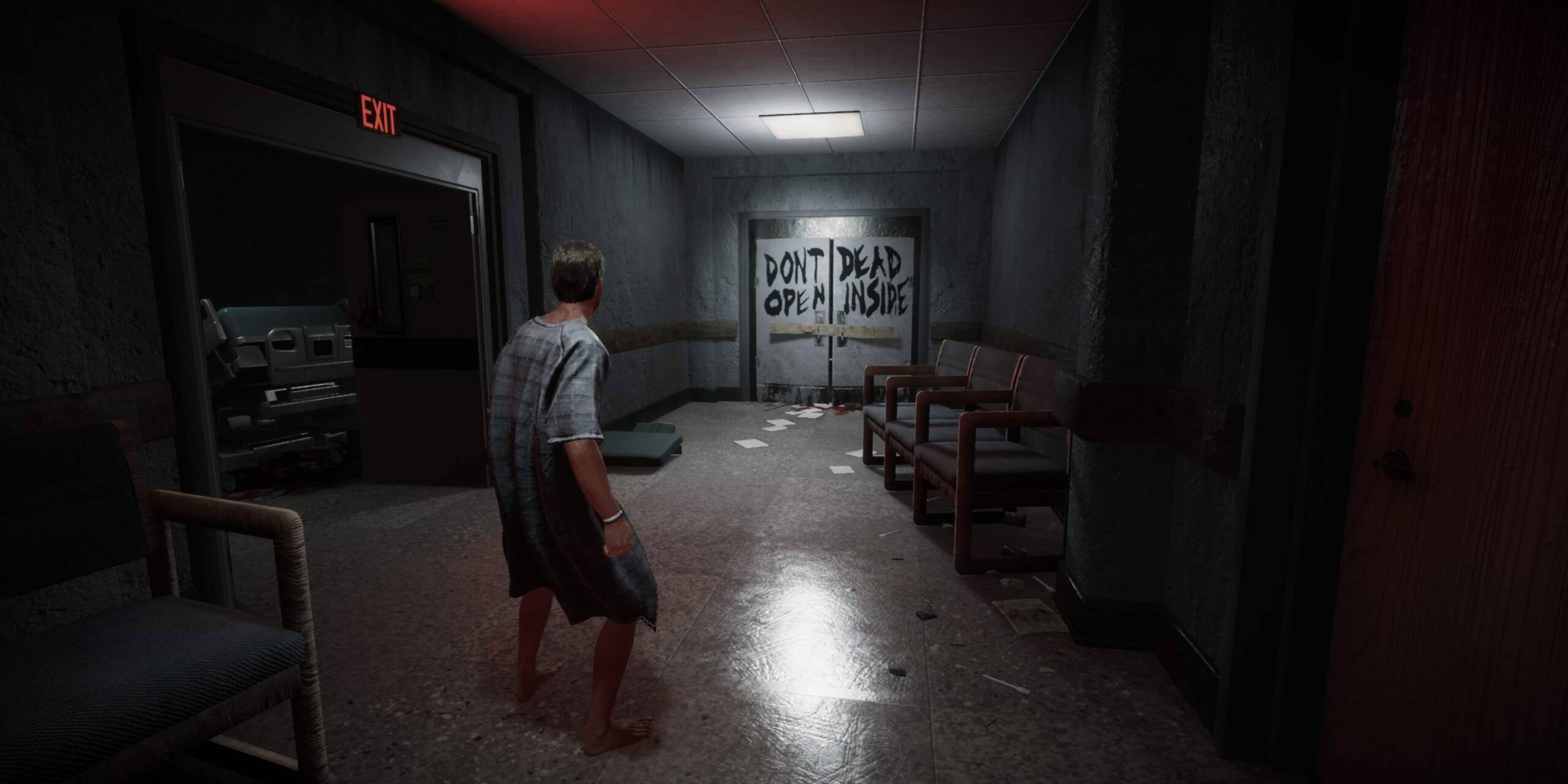
The story begins in familiar territory, placing players in the shoes of Rick Grimes, a sheriff’s deputy who awakens from a coma following a gunshot wound sustained in the line of duty. Unfortunately for Rick, the world hasn’t exactly been waiting patiently for his recovery. Society has collapsed, the dead have begun walking, and the hospital that once offered safety has become a haunting reminder of how quickly civilisation can fall apart. As you explore its abandoned corridors, bloodstained walls and discarded medical equipment help establish the unsettling circumstances surrounding his awakening.
For longtime fans, one of the most memorable moments comes when you encounter the hospital doors bearing the infamous warning, “DON’T OPEN, DEAD INSIDE.” Seeing the walkers reaching through those doors brings back memories of the television series’ opening episode, offering a welcome touch of nostalgia. From there, Rick begins searching for his wife, Lori, and son, Carl, setting out into a world that has become almost unrecognisable. What follows is a journey through familiar locations, including Atlanta, Hershel’s Farm, the Prison and Woodbury, as players encounter surviving members of the original cast.
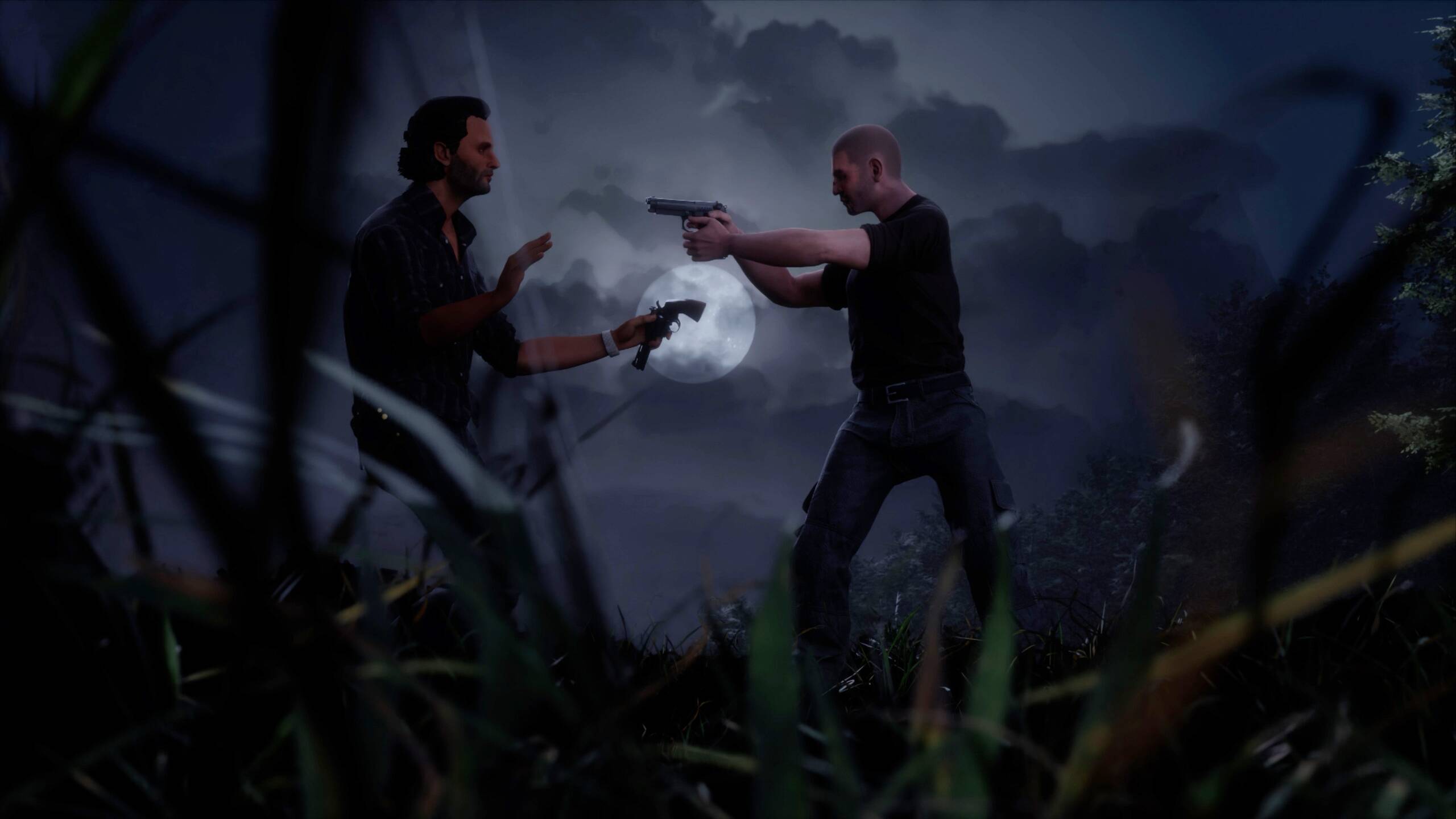
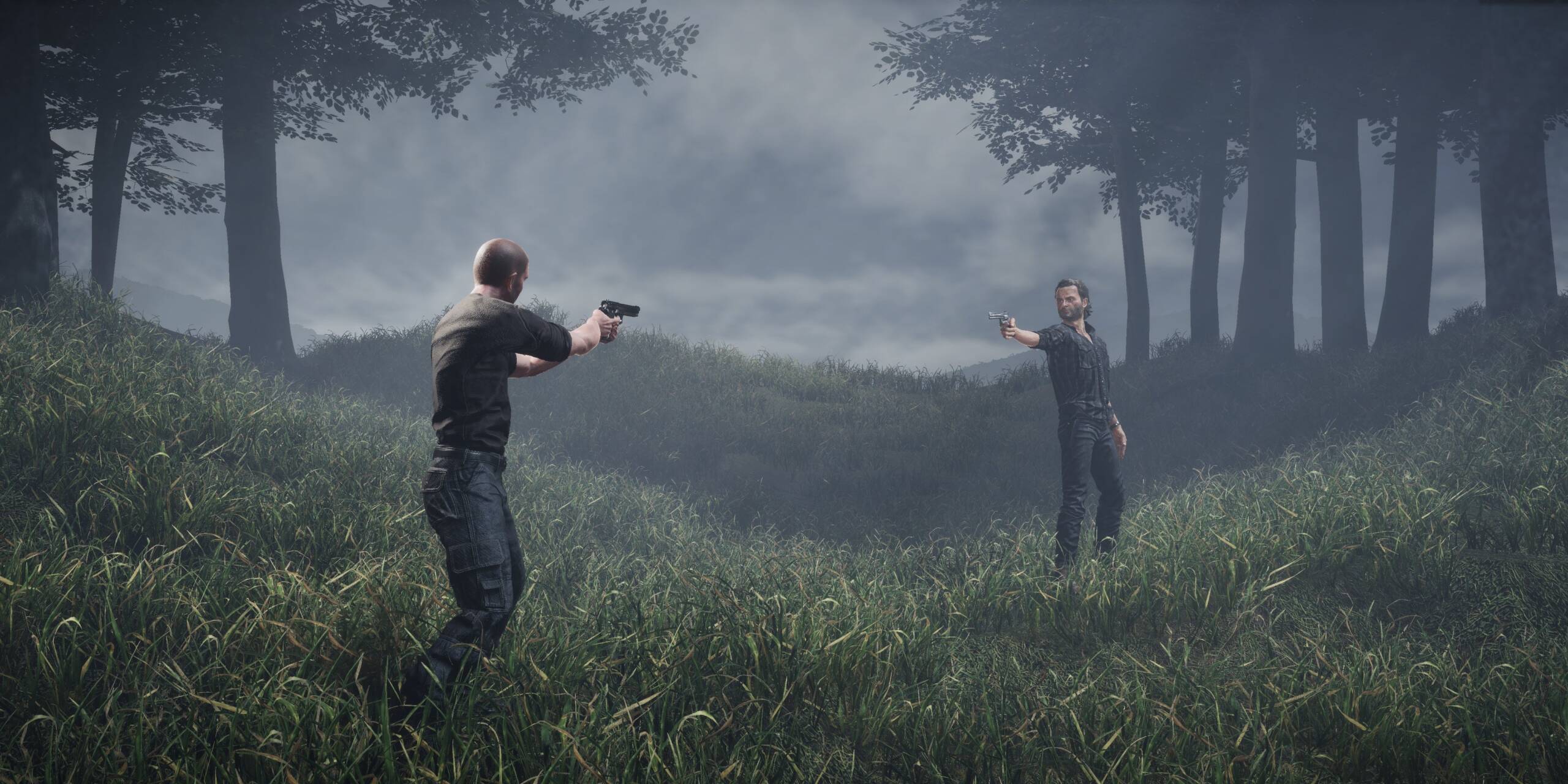
Where Destinies attempts to distinguish itself is through its alternative storytelling. Rather than following every event precisely as it happened on television, certain decisions allow players to influence which characters survive and how particular conflicts unfold. The rivalry between Rick and Shane is an especially interesting example, offering the opportunity to explore a different direction for two characters whose relationship played such an important role in the early seasons. As someone familiar with the source material, I genuinely appreciated the opportunity to revisit these events from another perspective. There’s something fascinating about seeing a familiar storyline unfold differently, even when you already know how events originally played out.
However, this is also where some of my biggest reservations begin. Considering the wealth of material available across four seasons, the adaptation feels considerably more condensed than I had hoped. Several important characters are missing entirely, including Andrea, Tyreese and Sasha, while others, such as Otis, are referenced without receiving the same involvement they had in the television series. Of these omissions, Andrea is particularly noticeable. Her relationship with Dale, the loss of her sister Amy and her involvement in the Governor’s storyline were all significant parts of the original narrative. Removing her from the adaptation inevitably changes how certain events are presented, leaving portions of the story feeling less developed.
More importantly, her absence represents a missed opportunity for the game’s central concept. Imagine being able to prevent Amy’s death and explore how Andrea’s personality and relationships might have developed as a result. Perhaps players could have warned her about the Governor’s intentions or helped her escape the circumstances that ultimately led to her death. These are precisely the kinds of alternative scenarios that could have given Destinies a stronger identity. While I appreciate that adapting such an extensive storyline requires difficult decisions about what to include, some of these missing characters played important roles in the very events the game encourages us to revisit.
Another example is Sophia Peletier, whose disappearance and eventual discovery inside Hershel’s barn remains one of the most emotional moments from the television series’ second season. Given the premise of changing established events, I would have loved the opportunity to find Sophia before her tragic fate was sealed. Not only could this have created a meaningful alternative storyline, but it might also have influenced Carol’s development throughout the game. The absence of the CDC storyline involving Dr Edwin Jenner is similarly disappointing, particularly when considering the importance of his revelations about the outbreak.
Ultimately, there are still enjoyable moments throughout the story, especially when revisiting memorable encounters and exploring alternative outcomes. Unfortunately, the condensed narrative and missing storylines prevent the experience from fully exploring its potential. The Walking Dead has always been strongest when its characters and their decisions carry genuine emotional weight. Although Destinies occasionally captures that appeal, its storytelling rarely reaches the same level of depth or significance.
SURVIVING THE DEAD SHOULD FEEL REWARDING
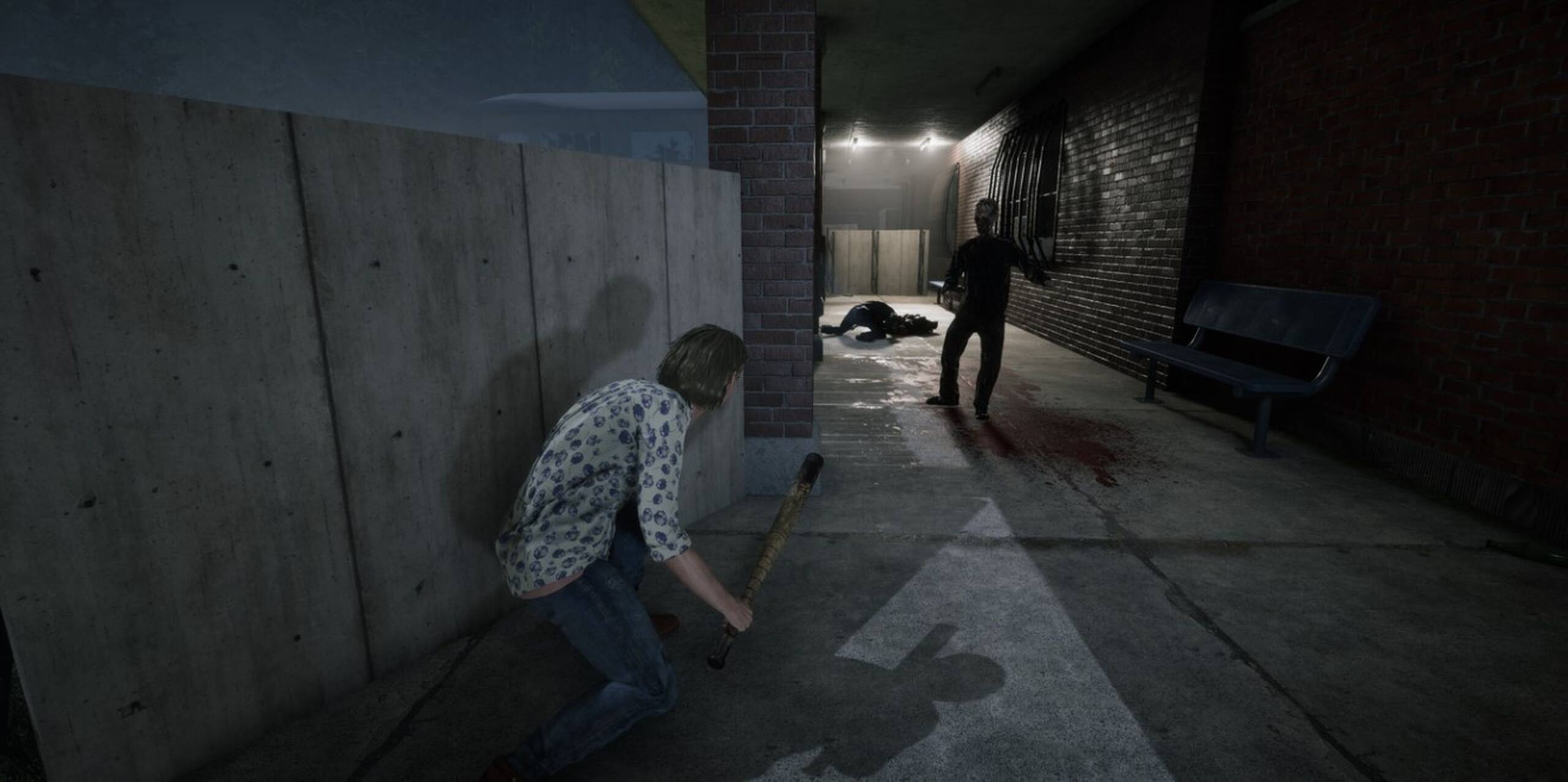
At its core, The Walking Dead: Destinies is a third-person action-adventure that combines exploration, combat, stealth and resource management. Throughout the campaign, you’ll take control of different survivors, complete objectives and search for supplies whilst dealing with the ever-present threat of walkers. The game provides a selection of weapons, including baseball bats, machetes, revolvers, shotguns and Michonne’s iconic katana. Depending on the circumstances, players can choose to approach situations aggressively or attempt to avoid unnecessary encounters altogether.
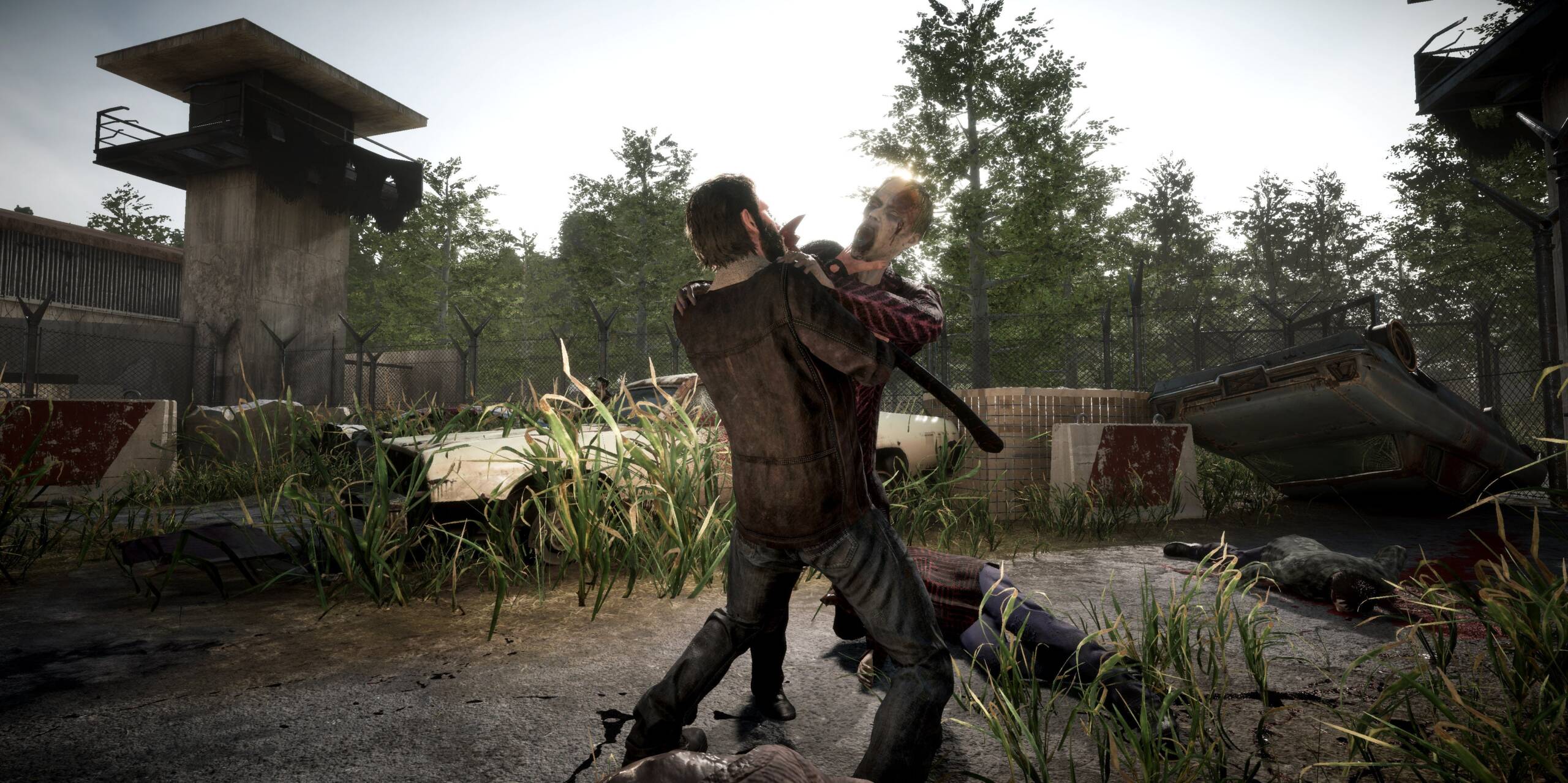
Unfortunately, while the basic gameplay systems are relatively straightforward, they don’t always come together as effectively as they should. Combat is one of the more noticeable weaknesses, particularly when dealing with larger groups of walkers. Melee attacks and dodging consume stamina, which can disappear surprisingly quickly during prolonged encounters. Against one or two enemies, this system is generally manageable, but when 10 or more walkers begin closing in, the experience can become frustrating. Instead of maintaining an enjoyable rhythm between attacking, avoiding danger and repositioning, I frequently found myself retreating simply to recover enough stamina to continue fighting.
I can understand the reasoning behind this mechanic. After all, the characters aren’t supposed to be unstoppable action heroes, and managing your physical limitations fits the survival theme. However, there’s a difference between creating a challenging encounter and restricting the player’s ability to respond effectively. A more forgiving stamina system, or one that rewarded careful timing more consistently, could have made combat feel considerably more satisfying. The adrenaline mechanic does offer some variety, allowing special finishing moves once enough has accumulated, but these attacks don’t quite provide the impact or excitement I would have liked.
Ranged combat presents its own challenges. Firearms should provide a useful alternative to close-quarters encounters, especially when dealing with walkers at a distance. Unfortunately, I found the aiming mechanics rather awkward, with a lack of precision that occasionally made lining up headshots more difficult than necessary. In a game where ammunition is a limited resource, inaccurate or uncomfortable aiming can make encounters feel unnecessarily demanding. There’s still satisfaction to be found in successfully clearing an area, but both melee and ranged combat would have benefited from tighter controls and more responsive animations.
Stealth, on the other hand, offers a slightly more encouraging experience, although it isn’t without its problems. Personally, I enjoyed having the option to avoid walkers rather than confronting every enemy I encountered. Moving carefully through an abandoned building, watching enemy movements and finding a safe route can create some welcome moments of tension. There were occasions when I managed to navigate entire sections without attracting attention, which felt particularly rewarding. However, enemy detection isn’t always consistent, and I sometimes found walkers noticing my character despite what appeared to be a perfectly reasonable hiding position. These unpredictable moments can disrupt the flow, especially when a failed stealth attempt forces you into combat that you were deliberately trying to avoid.
One of the game’s more interesting features is its character progression system, which allows players to unlock abilities and improve their survivors as the story progresses. Certain upgrades provide advantages during combat or exploration, while the survival of particular characters can influence the abilities available later in the campaign. It’s a worthwhile addition that gives players another reason to consider the consequences of their decisions. I also appreciated the inclusion of resource management, as searching for ammunition and other useful supplies encourages a slightly more considered approach to survival.
Nevertheless, these mechanics don’t develop into anything particularly complex. Objectives can become repetitive, often revolving around moving through an area, collecting necessary items or eliminating groups of enemies. Increasing the difficulty frequently means dealing with greater numbers of walkers rather than more varied or intelligent threats. As a result, some encounters begin to feel familiar long before the campaign reaches its conclusion. A wider selection of mission types, more distinctive character abilities and encounters that encouraged different strategies could have helped make the overall experience more engaging.
The decision-making system deserves particular attention because it forms such an important part of the game’s identity. Being able to determine the fate of certain survivors is genuinely appealing, and I enjoyed seeing how some decisions affected the characters available to me. However, the opportunities to influence events aren’t as extensive as the premise initially suggests. Significant moments are often determined through specific choices, with the wider narrative continuing along a relatively familiar path. While I wasn’t expecting an entirely different campaign for every decision, I would have appreciated more opportunities to explore the consequences beyond which character takes part in the next stage of the story.
There are also technical shortcomings that affect the overall presentation. Awkward camera behaviour, stiff animations and occasional inconsistencies in enemy behaviour can make encounters feel less polished than they should. These issues are particularly noticeable during combat, where responsiveness and clear visual feedback are essential. Individually, some of these problems might be relatively minor, but together they contribute to an experience that struggles to find a consistent rhythm.
Despite these criticisms, I wouldn’t describe the gameplay as completely unenjoyable. There were moments when sneaking past walkers, experimenting with different weapons and revisiting familiar locations provided some entertainment. However, the mechanics rarely develop beyond their basic foundations, and the repetition becomes increasingly noticeable over time. The Walking Dead is a franchise defined by desperation, uncertainty and difficult choices, but Destinies doesn’t consistently translate those qualities into engaging gameplay.
RECOGNISABLE LOCATIONS, UNDERWHELMING PRESENTATION
When adapting a franchise as visually distinctive as The Walking Dead, atmosphere plays an important role. The television series frequently uses abandoned environments, unsettling lighting and gruesome walker designs to reinforce the dangers of its world. Unfortunately, The Walking Dead: Destinies struggles to recreate that same level of immersion. Although the game features several recognisable locations, its overall visual presentation feels noticeably dated, particularly when compared with other titles released around the same period.
Character models are among the more obvious weaknesses. Familiar survivors such as Rick Grimes, Shane Walsh and Daryl Dixon can generally be identified through their clothing, hairstyles and overall designs, but their facial features don’t always resemble their television counterparts particularly closely. Expressions also lack the detail needed to communicate emotion effectively, which becomes more noticeable during important conversations. Considering how much of the franchise’s appeal comes from its characters and their relationships, more convincing facial animations could have helped strengthen the storytelling considerably.
The walkers themselves are functional in their design, although their movements aren’t especially convincing. There’s a reasonable amount of satisfaction in seeing blood effects accompany successful attacks, but repetitive animations and occasionally unnatural movement can make enemies appear less intimidating than intended. In a zombie survival experience, the undead should create a sense of immediate danger, particularly when approaching in large numbers. Here, their visual presentation doesn’t always support the tension that the gameplay is trying to establish.
Environmental design is another area where the game shows potential without fully realising it. Returning to Atlanta, Hershel’s Farm, the Prison and Woodbury is enjoyable from a nostalgic perspective, and fans should recognise several important locations without much difficulty. However, the environments themselves often feel rather basic, with limited detail and lighting that doesn’t consistently capture the unsettling atmosphere of an abandoned world. Exploring a deserted corridor should leave you wondering whether danger is waiting around the next corner, but those moments of uncertainty are less effective when the surroundings lack depth and visual character.
Perhaps the most unusual presentation choice involves the game’s storytelling sequences. Rather than relying consistently on fully animated cinematics, Destinies frequently presents major events through still images accompanied by dialogue. While this approach isn’t necessarily a problem in itself, it feels less effective when recreating dramatic confrontations that originally depended so heavily on character performances. Important moments lose some of their emotional intensity, particularly when a significant decision is followed by a sequence with very little movement or visual expression.
To its credit, the game does succeed in bringing several familiar locations and characters together in a way that fans can immediately recognise. Unfortunately, recognition alone isn’t enough to create a convincing adaptation. With stronger environmental detail, more expressive character models and improved cinematic presentation, Destinies could have delivered a considerably more atmospheric experience.
AN APOCALYPSE THAT NEEDS MORE ATMOSPHERE
Sound design is another essential ingredient in creating a convincing zombie apocalypse. The distant groans of walkers, the echo of footsteps through an abandoned building and the sudden crack of gunfire can all contribute to a sense of unease. The Walking Dead: Destinies includes many of these familiar elements, but the overall audio presentation is somewhat inconsistent and doesn’t always make the most of the opportunities available.
The soundtrack attempts to establish tension during exploration and combat, providing background music that generally fits the situations unfolding on screen. However, I found that very little of the music left a lasting impression. One of the strengths of the television series was its ability to use both music and silence to create atmosphere, allowing seemingly ordinary moments to become unsettling. Although Destinies occasionally manages something similar, its soundtrack rarely elevates the experience beyond what is already happening on screen.
Environmental effects fare slightly better, particularly when walkers can be heard approaching or gathering nearby. Their groans and snarls provide useful audio cues, while weapons produce the expected sounds during combat. However, the impact of those effects could have been stronger. Melee attacks, in particular, lack some of the weight that would make each encounter feel more physical and satisfying. When you’re fighting your way through a group of walkers armed with nothing more than a baseball bat, hearing a convincing impact can make all the difference.
Voice acting is a particularly interesting area because of the franchise’s recognisable cast. Several performers from the television series reprise their roles, including Sarah Wayne Callies as Lori, Emily Kinney as Beth and IronE Singleton as T-Dog. However, other major characters have been recast, with Ian Hanlin voicing Rick Grimes and Atticus Batacan portraying Daryl Dixon. Recasting established characters isn’t necessarily a problem, and bringing in different performers can work perfectly well when the direction and performances are convincing.
Nevertheless, the absence of some familiar voices is noticeable, particularly during emotionally significant moments. After spending years watching these characters on television, audiences naturally associate them with the personalities and performances of their original actors. The replacement voices aren’t automatically a weakness, but the differences can make certain conversations feel somewhat disconnected from the source material. Combined with the limited facial animation and static storytelling sequences, the dialogue occasionally struggles to deliver the emotional impact it deserves.
FINAL THOUGHTS
The Walking Dead: Destinies is one of those games that I genuinely wanted to enjoy more than I ultimately did. The concept of revisiting the television series and changing the fate of its most recognisable characters is an excellent foundation for an adaptation. With four seasons of memorable storylines, difficult decisions and complicated relationships to explore, there was considerable potential to create something that would appeal to both dedicated fans and newcomers interested in experiencing the world of The Walking Dead.
Unfortunately, the final experience doesn’t fully capitalise on those possibilities. While I appreciated returning to familiar locations, taking control of iconic survivors and occasionally influencing the direction of the story, the gameplay mechanics often made those moments less enjoyable than they could have been. Combat lacks consistency, stealth can be unpredictable, and the repetitive objectives do little to maintain interest over an extended period. The dated visuals, limited animation and underwhelming cinematic presentation also prevent several important moments from achieving the impact they deserve.
One thing I would have particularly liked was for The Walking Dead: Destinies to take some inspiration from the Dead Rising series, especially when it comes to exploration, combat and environmental interaction. What made Dead Rising so entertaining was the freedom to explore zombie-infested environments, experiment with different weapons, and find creative ways to survive. I’m not suggesting that Destinies needed to become another Dead Rising, but I genuinely believe a similar approach could have made the experience considerably more enjoyable. Imagine exploring the streets of Atlanta, scavenging abandoned buildings for supplies, barricading entrances or using everyday objects as makeshift weapons against approaching walkers. Having more freedom to approach encounters differently, rather than following repetitive objectives and relying on restrictive combat mechanics, could have added some much-needed variety. After all, surviving a zombie apocalypse should involve adapting to your surroundings, making difficult decisions and occasionally improvising when things don’t go according to plan.
Perhaps my greatest disappointment comes from the storytelling itself. Missing characters such as Andrea, overlooked events involving Sophia and the absence of significant moments like the CDC storyline leave the adaptation feeling incomplete. I appreciate that no game can include every character and event from four seasons of television, and some creative compromises are inevitable. However, when the central appeal revolves around rewriting familiar history, those missing opportunities become particularly noticeable. More meaningful choices and greater emphasis on the consequences of those decisions could have given Destinies a much stronger identity.
That said, I don’t believe the experience is entirely without merit. There is still something enjoyable about returning to this universe, particularly for fans who have followed Rick and his fellow survivors from the beginning. Certain alternative outcomes are interesting to explore, and the occasional successful stealth encounter or combat sequence provides some welcome entertainment. Unfortunately, these positive moments aren’t consistent enough to overcome the wider shortcomings.
Would I recommend The Walking Dead: Destinies? For dedicated fans who are particularly curious about its alternative storylines, there may be enough here to justify giving it a chance, especially at a substantial discount. However, I would encourage anyone considering purchasing it to approach the experience with realistic expectations. Those searching for a polished action-adventure with satisfying combat, strong presentation and extensive narrative choices may find themselves disappointed.
Ultimately, The Walking Dead: Destinies isn’t a terrible idea for a video game. Quite the opposite, in fact. Its premise is arguably its greatest strength, offering a fascinating opportunity to explore how different decisions could have changed one of television’s most memorable survival stories. Unfortunately, the execution doesn’t consistently deliver on that ambition, leaving behind an adaptation that feels more like a glimpse of what could have been than a fully realised experience.
The Walking Dead: Destinies gives players the opportunity to change the course of the apocalypse. It’s just a shame that its most promising ideas weren’t given the same opportunity to flourish.
Positives
✅ An Interesting Alternative Storyline – The opportunity to change the fate of familiar characters offers an exciting twist on the television series.
✅ Nostalgic Locations – Revisiting iconic locations such as Atlanta, Hershel’s Farm, the Prison and Woodbury is enjoyable for long-time fans.
✅ Recognisable Characters – Playing as survivors including Rick Grimes, Shane Walsh, Daryl Dixon and Michonne adds to the appeal.
✅ Character Progression – The skill tree and survivor upgrades introduce some welcome depth to the gameplay.
✅Occasionally Enjoyable Stealth – Sneaking past walkers can provide satisfying moments when the detection mechanics work as intended.
Negatives
❌ Underwhelming Combat Mechanics – Awkward aiming, restrictive stamina management and repetitive encounters make combat less enjoyable.
❌ Missed Storytelling Opportunities – Important characters and memorable storylines are absent, limiting the potential of the alternative narrative.
❌ Outdated Visual Presentation – Basic environments, stiff animations and unconvincing character models detract from the overall experience.
❌ Limited Meaningful Choices – Despite its promising premise, the game doesn’t offer enough opportunities to significantly reshape familiar events.
❌ Repetitive Gameplay – A lack of mission variety and inconsistent enemy behaviour make progression increasingly predictable.
❌ Disappointing Cinematic Sequences – The frequent use of static images reduces the emotional impact of important story moments.

Owner of Indie Critical. I’m passionate about highlighting independent voices in film, games, and culture. I focus on honest, thoughtful reviews and love helping great indie projects get the recognition they deserve. When I’m not writing or editing, I’m probably diving into the latest hidden gem or discovering the next big thing in the indie scene.
Written by

Lewis Langton